August 4, 2026

Culture, Communication and Hospitality: The P.iR.A.M.iD Project Trains European Teachers in Málaga

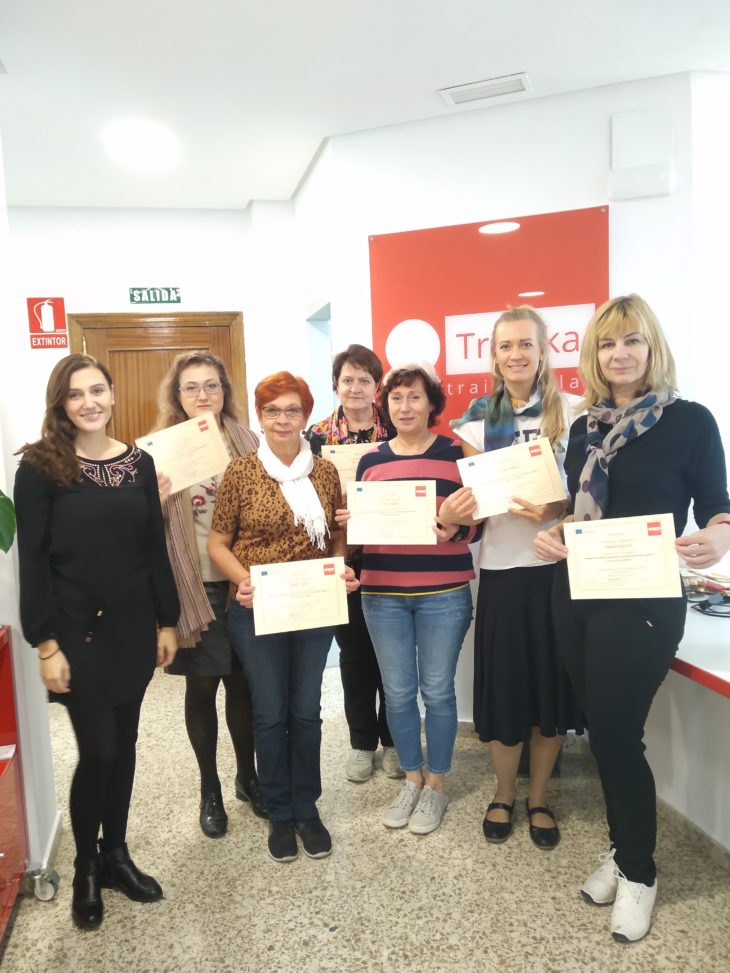
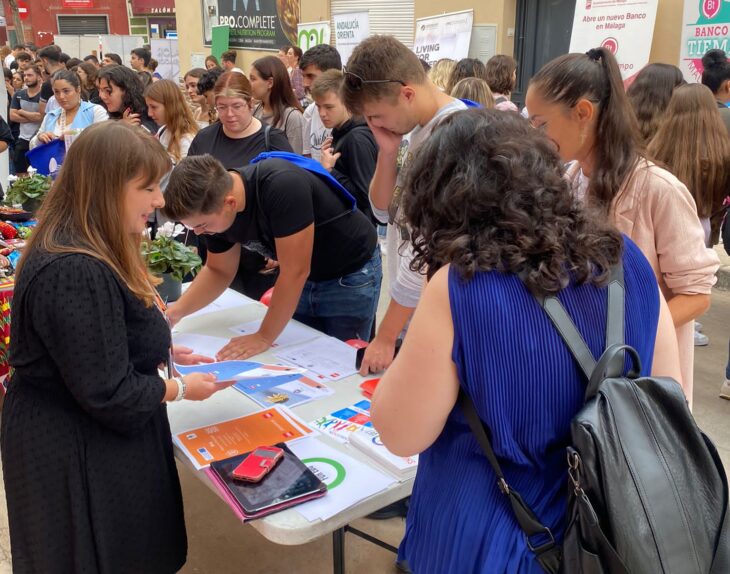
From May 26 to 30, 2025, a group of teachers from Italy, Belgium, Bulgaria, and Spain gathered in vibrant Málaga for an international training event as part of the P.iR.A.M.iD project. The aim: to enhance intercultural competences in the fields of tourism and hospitality, using innovative, hands-on tools and methods that can be directly applied in both education and the workplace.

The first day of training focused on the Lewis Model, a powerful theoretical framework for understanding how national culture influences communication styles, decision-making, and work behaviour. Through practical exercises and guided discussions, participants learned to recognize and interpret cultural patterns—an essential skill in today’s global and multicultural hospitality industry.

“Knowing your guest’s cultural background is no longer a bonus,” one trainer explained. “It’s a core skill for providing respectful and personalized experiences.”

Day two was dedicated to intercultural communication, a vital topic for anyone working in tourism. Tone of voice, body language, gestures, or even silence can have vastly different meanings across cultures.

Through real-world simulations and case studies, participants developed strategies to adapt their communication styles, improve service quality, prevent misunderstandings, and build stronger connections with international guests.

As emphasized in the training: “Tourism is global. Communication should be too.”

The third day explored the importance of religious and cultural awareness in hospitality. From offering halal or kosher food and providing prayer spaces to understanding modesty norms and religious holidays, small adjustments can lead to a more inclusive and respectful experience.

This session equipped educators with the tools to teach future professionals how to deliver service that not only meets needs but honours identities—a new gold standard for the hospitality sector.

Thanks to the support of the Erasmus+ programme, P.iR.A.M.iD empowers teachers to return to their institutions with a broader vision, practical knowledge, and shareable best practices. It’s another step forward in building a more open, intercultural, and professionally relevant European education.

Related Posts

ETN for the fifth time in a row is nominated for the ST Star Awards in London

February 21, 2020

February 21, 2020

We are very happy to announce that, for the fifth consecutive time, we will participate in the ST Star Awards...

Hosting Greek Teachers for an Erasmus Programme in Ireland: A Week of Enlightening Experiences

June 18, 2024

June 18, 2024

We were delighted to host eight esteemed teachers from the SDE Mytilene School in Greece as part of their Erasmus...

Erasmus+: give priority to green skills and the promotion of sustainable development

June 8, 2022

June 8, 2022

In one of the articles on Erasmus+ we answered six questions by touching on the most important aspects. Now, speaking...

Erasmus+ KA2 “Playing 4 Soft Skills” project: gamification as a pedagogical approach

June 9, 2022

June 9, 2022

Why is non-formal education important? Everyday life and professional activity in the 21st century often require us flexibility, creativity and...

In Lisbon enjoying the Pastel de nata, the typical Portuguese dessert

February 22, 2023

February 22, 2023

The culture and traditions of a people lay their roots and their beauty also in the typical gastronomy, in the...

The Burnout Experience: impressions from the Reintegrate Wellbeing’s Mini Job Fair

August 8, 2024

August 8, 2024

On June 28th and 29th, the Uber Eats Music Hall in Berlin became a hub of opportunity and empowerment during...

Social Innovations – social and education inclusion” project for Bulgarian teachers and students at Tribeka Training Lab

July 26, 2023

July 26, 2023

The Erasmus+ program offers wide range of opportunities for its participants to acquire new skills and knowledge through short and...

WISE: the Italian Transnational Meeting of the Erasmus+ KA2 project

February 25, 2022

February 25, 2022

Few days ago the Italian Transnational Meeting of the Erasmus Plus KA2 project “WISE – Woman, Innovative, Successful, Empowered” was...

Francesca and her Erasmus+ internship at Berlink

August 5, 2022

August 5, 2022

Hi, I’m Francesca, I’m 16 years old and I attend the ENGIM Turazza school, address graphic design in Treviso. I...

Playing 4 Soft Skills: one year behind, one more to go!

September 27, 2021

September 27, 2021

Whoever is reading this post and happens to work in the field of project management is fully aware that a...

4 tips to write the right budget for an Erasmus+ project

February 21, 2020

February 21, 2020

When applying for a mobility project abroad, it’s necessary to pay close attention to the drafting of the budget, in...

Students will learn lessons with VR technology

July 26, 2023

July 26, 2023

“Digital Education Materials for Sustainable Textile Education (Vir2TEX)” Erasmus Plus project held the final meeting Ege students will learn lessons...

4th YOUth COOPs newsletter

December 28, 2020

December 28, 2020

The YOUthCOOPs project (reference nr. 2018-2-ES02-KA205-011519) is coming to an end. The aim of the project is to promote social...

Bulgarian Students in Berlin Boost their Skills Digitally through Innovative Educational Project

June 5, 2023

June 5, 2023

13 students from the Vocational school of transport “Prof. Tsvetan Lazarov” in Pleven, Bulgaria have become a shining example of...

Partner Meeting at Tribeka Training Lab: Advancing AI in Apprenticeship Mentoring

December 9, 2024

December 9, 2024

Tribeka training lab recently kicked off, as partner, a new ErasmusPlus KA220Vet Project with title: ’AI in Apprenticeship Mentoring’ (project Number:2024-1-BG01-KA220-VET-000247196...

Comments
Leave a Reply

Your email address will not be published. Required fields are marked *

Newsletter