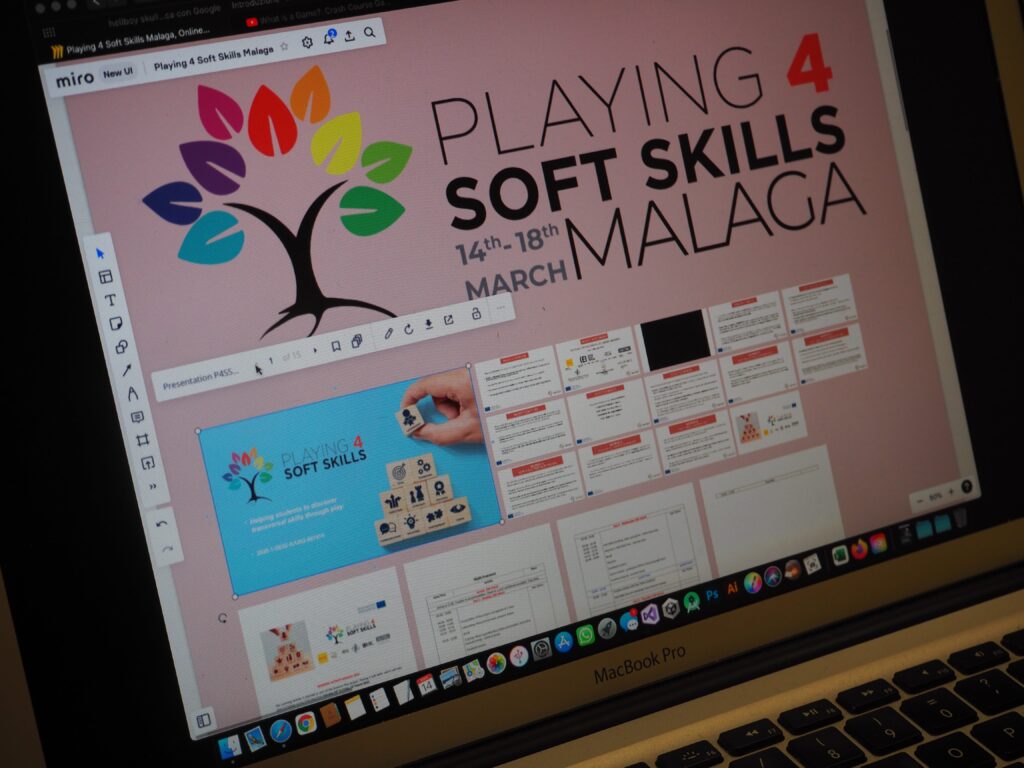
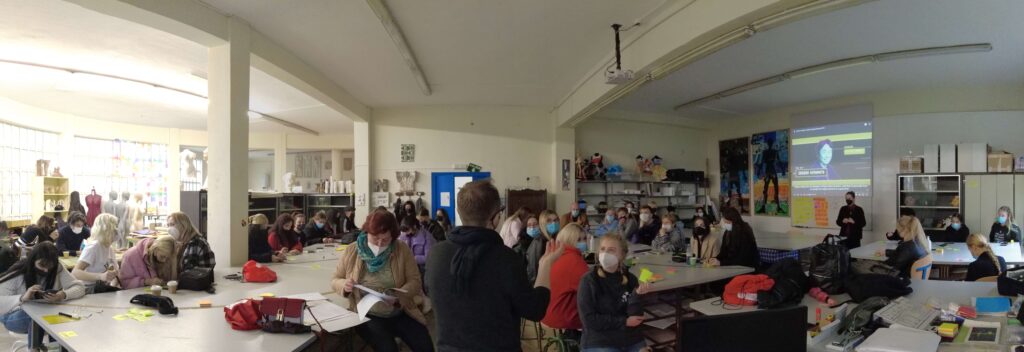
The week of learning and training transnational activities (known as LTTA) of the Playing 4 Soft SKills project took place since 14 to 18 March: a week of experimentation on soft skills and gamification, with a series of activities curated by Il Salone dei Rifiutati and Axonforce.
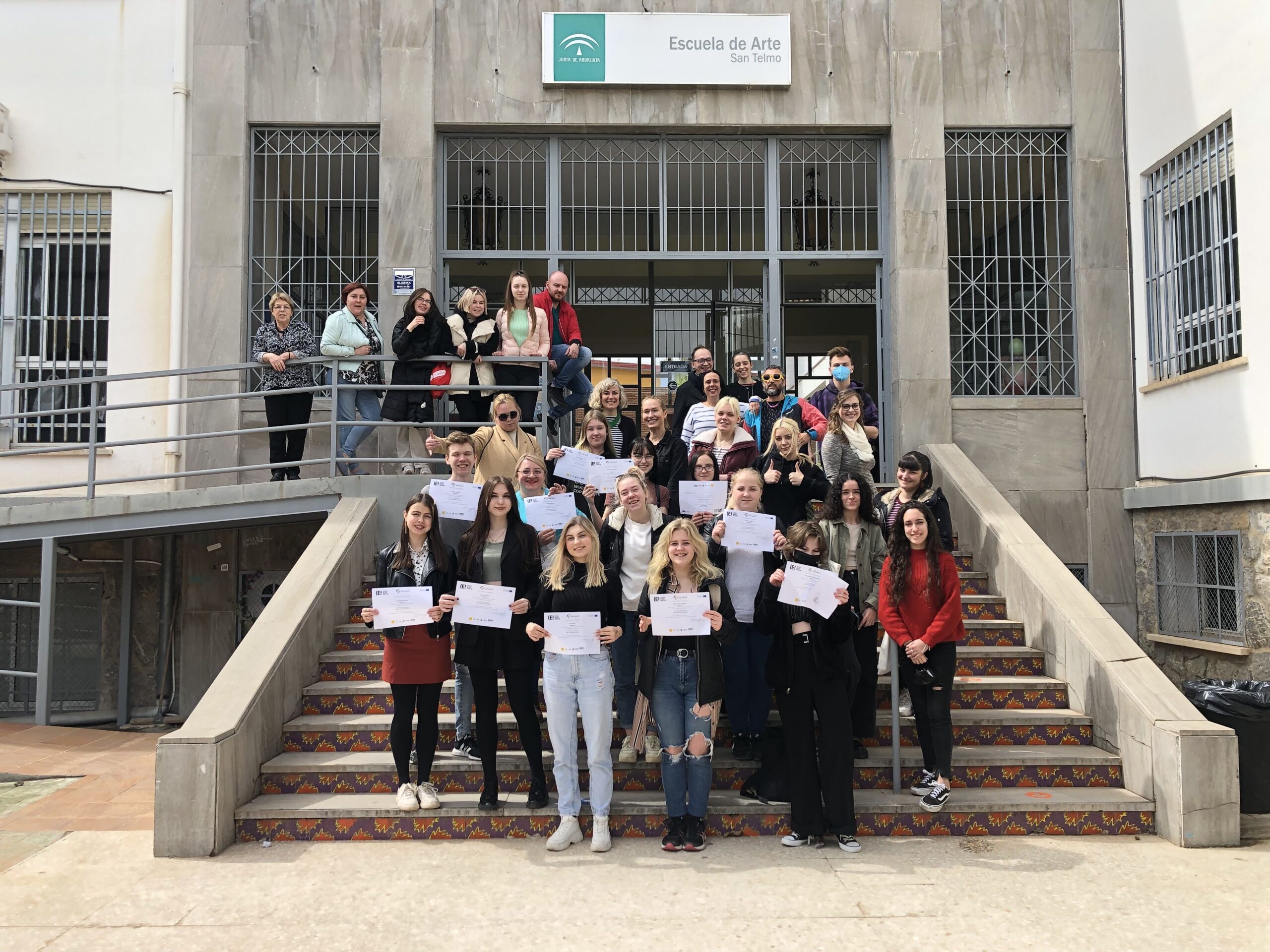
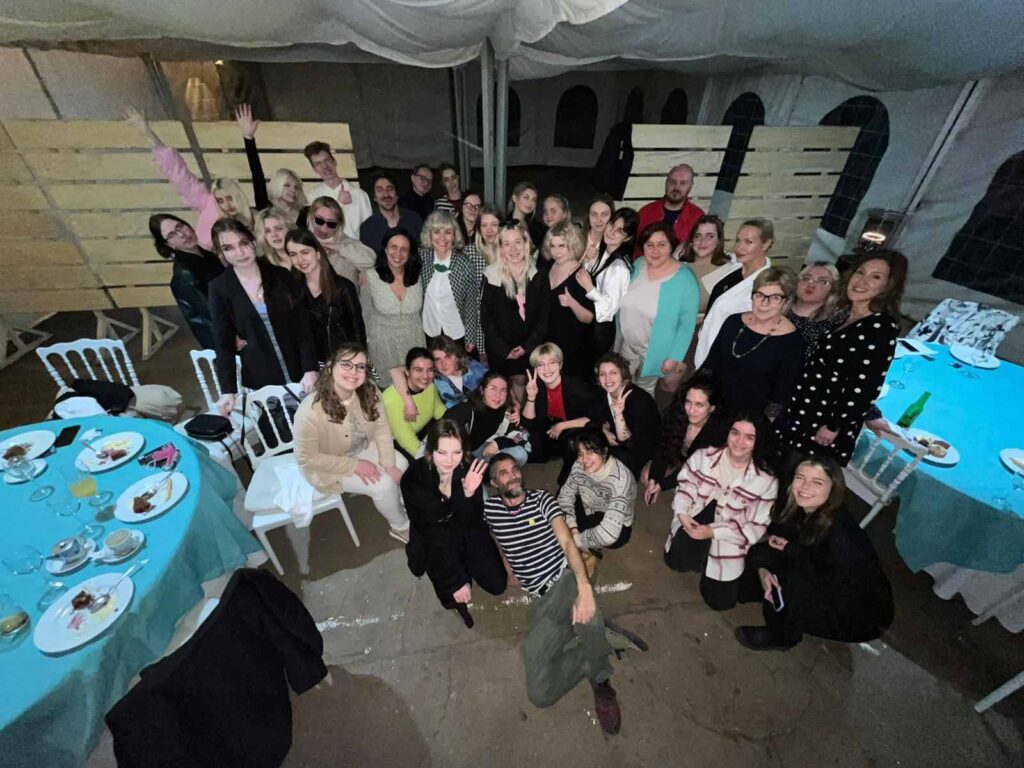
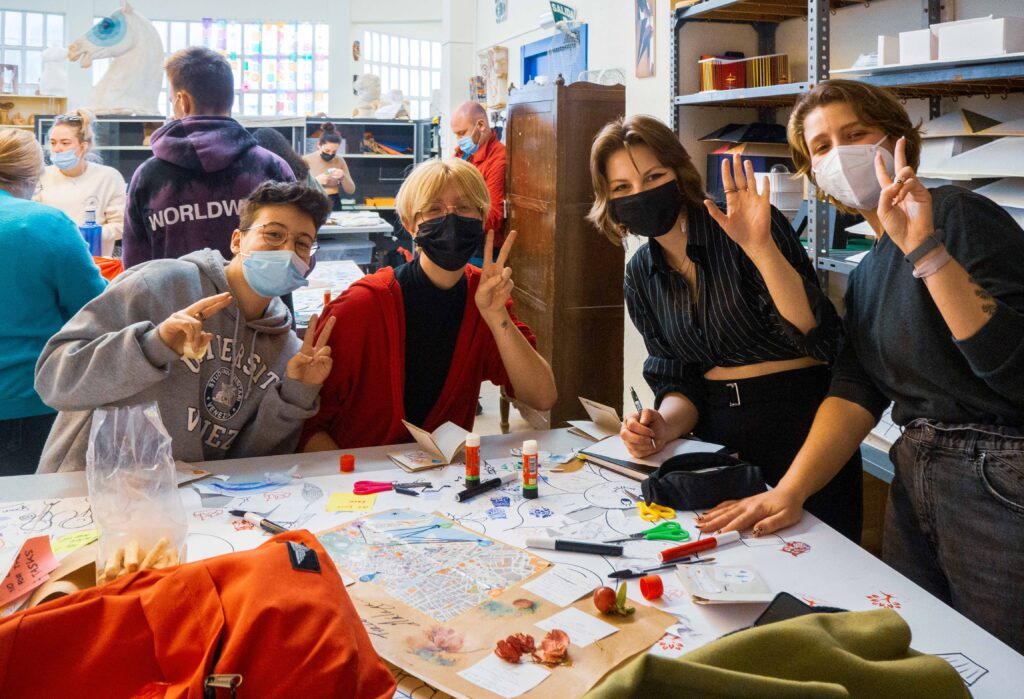
The Escuela de Arte San Telmo Málaga was the playground, with its students and teachers together with a group of 20 students and 4 teachers from the Rigas Turisma a Radošās Industrijas Tehnikums.
An opportunity to test the developed project outputs in the context of an activity involving directly the targets groups (VET students and teachers), but also as the perfect culmination of the training provided prior to the mobility exercise to both teachers, acting as facilitators in the field of non-formal education, and to participating students, in order to make them well-equipped to understand context and objectives of the educational game and most benefit from such innovative and creative learning approaches.
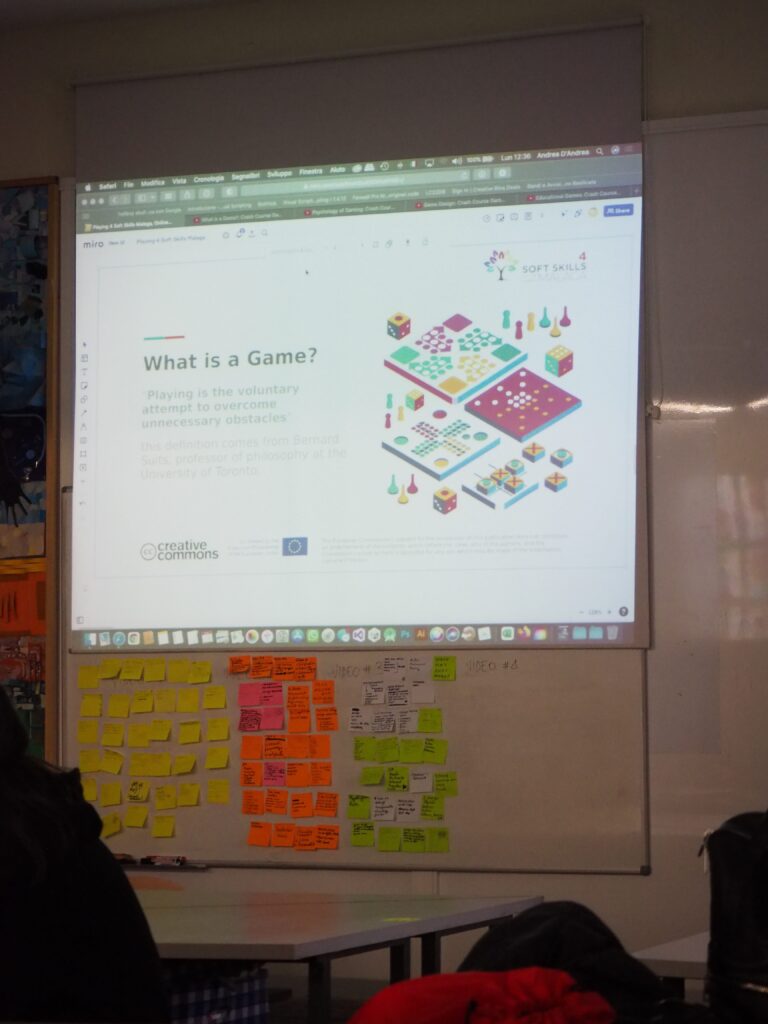
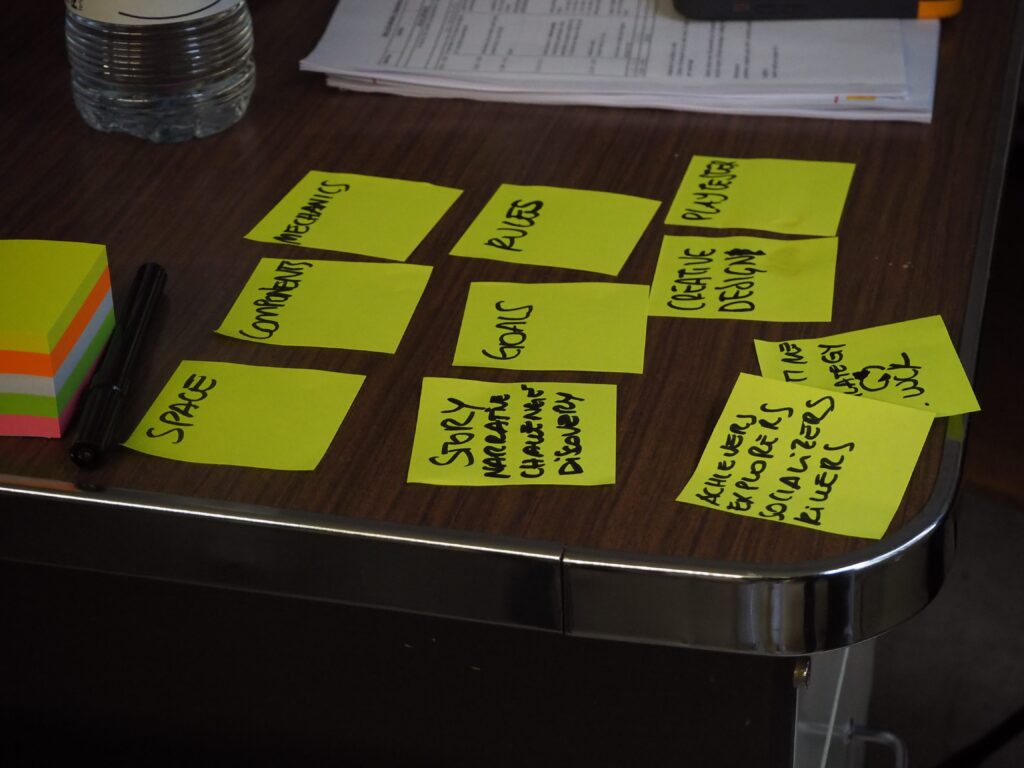
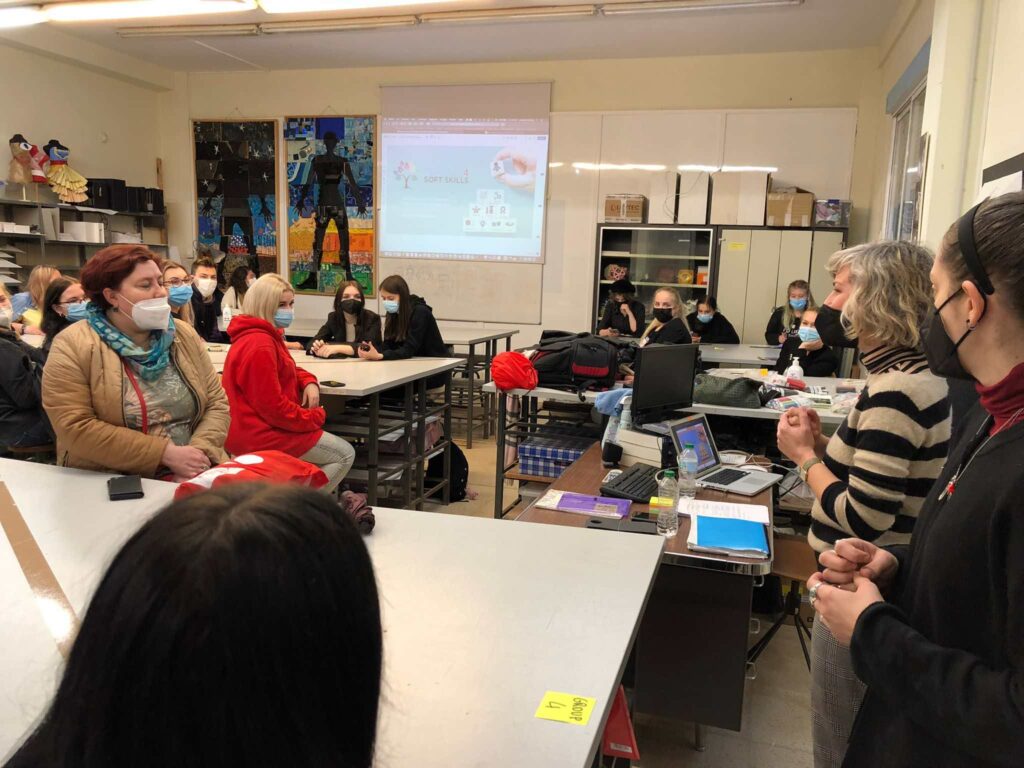
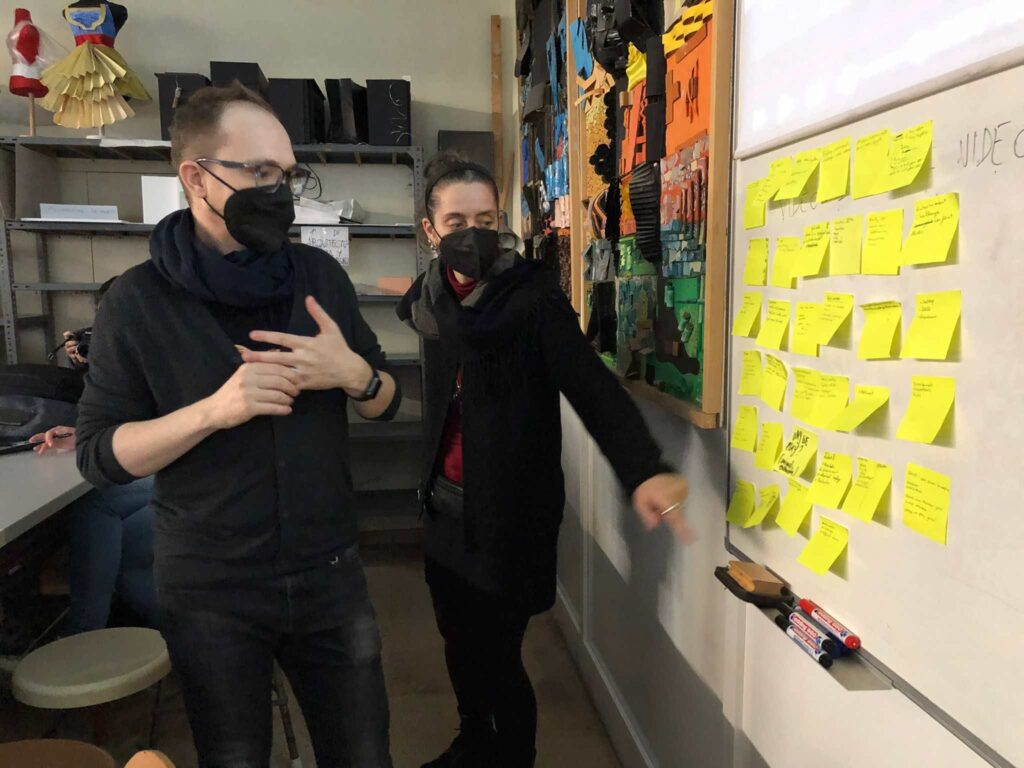
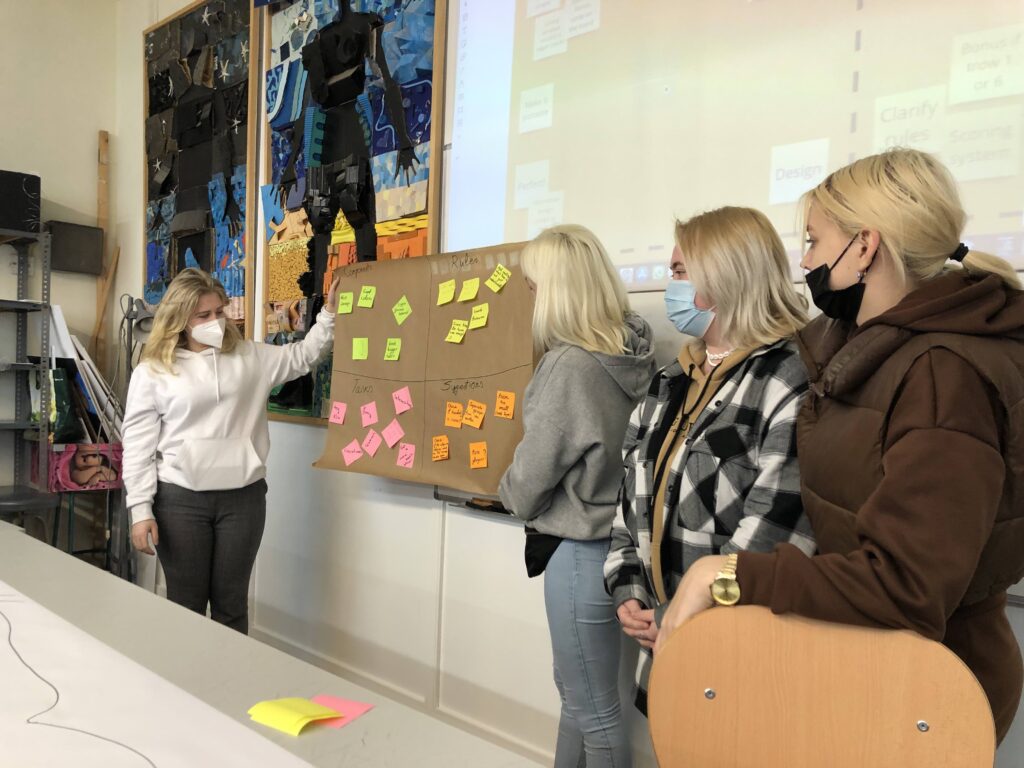
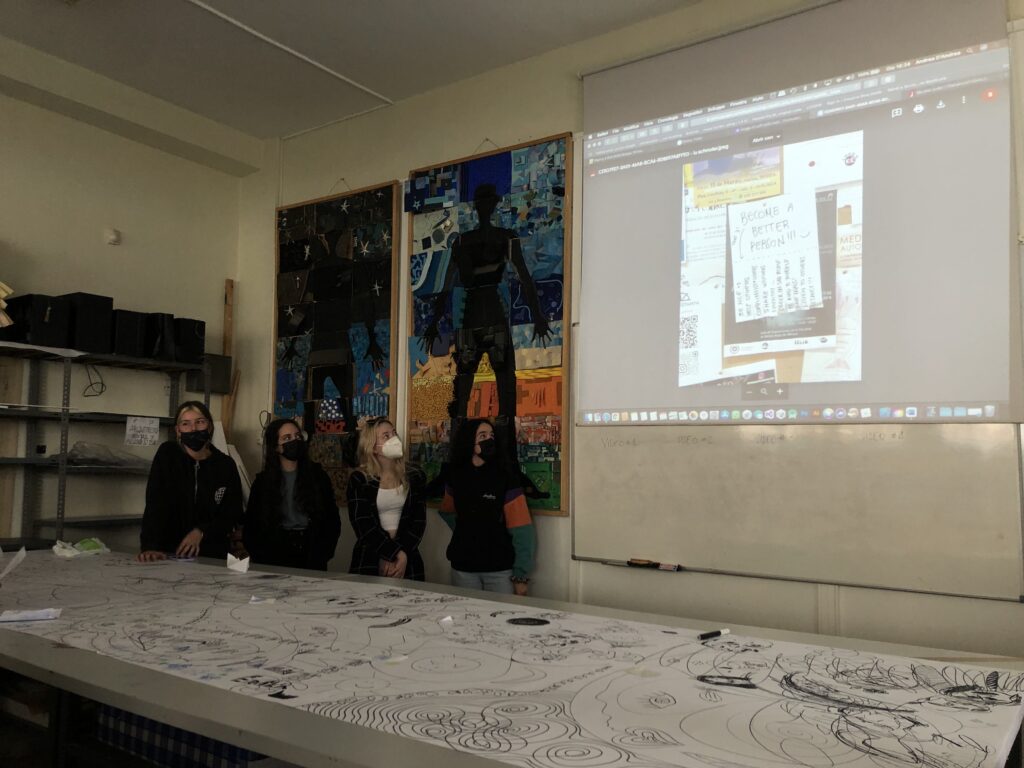
The activities were inaugurated by an icebreaking: sharing pictures through their smartphones about past, present, future, the students and the teachers introduced themselves to the group and discovered little more about each other. After that, the students were introduced to the context and format of the educational game, with a training focus on the fundamental elements of the gamification process, through video presentation with an active brainstorming.
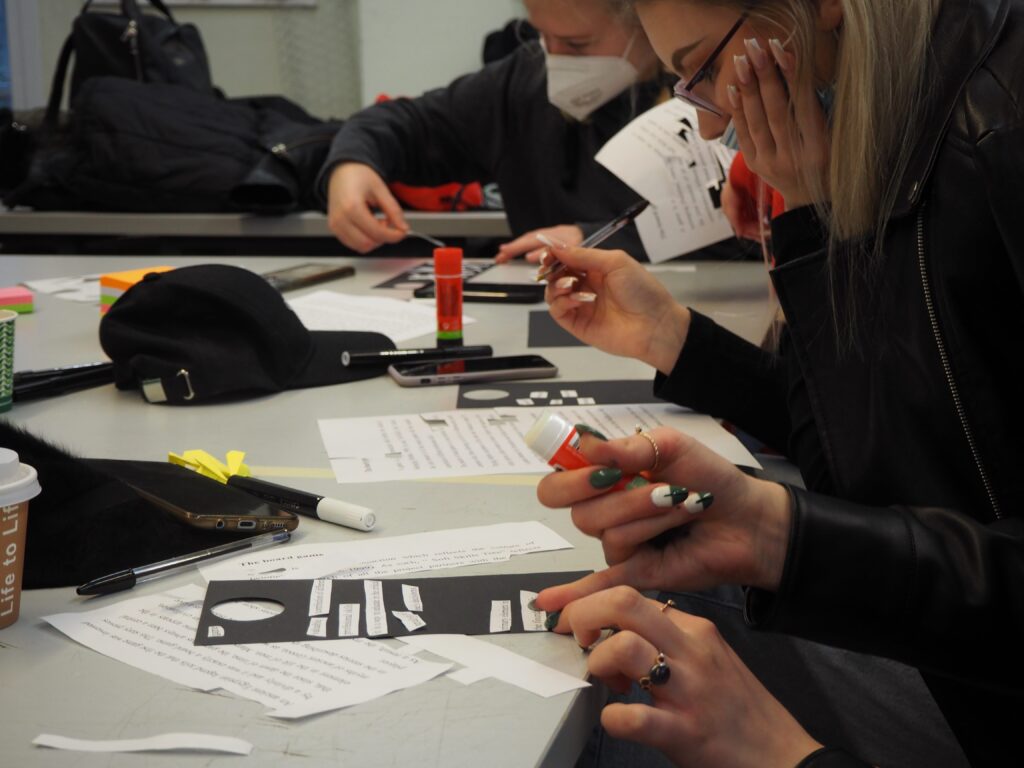
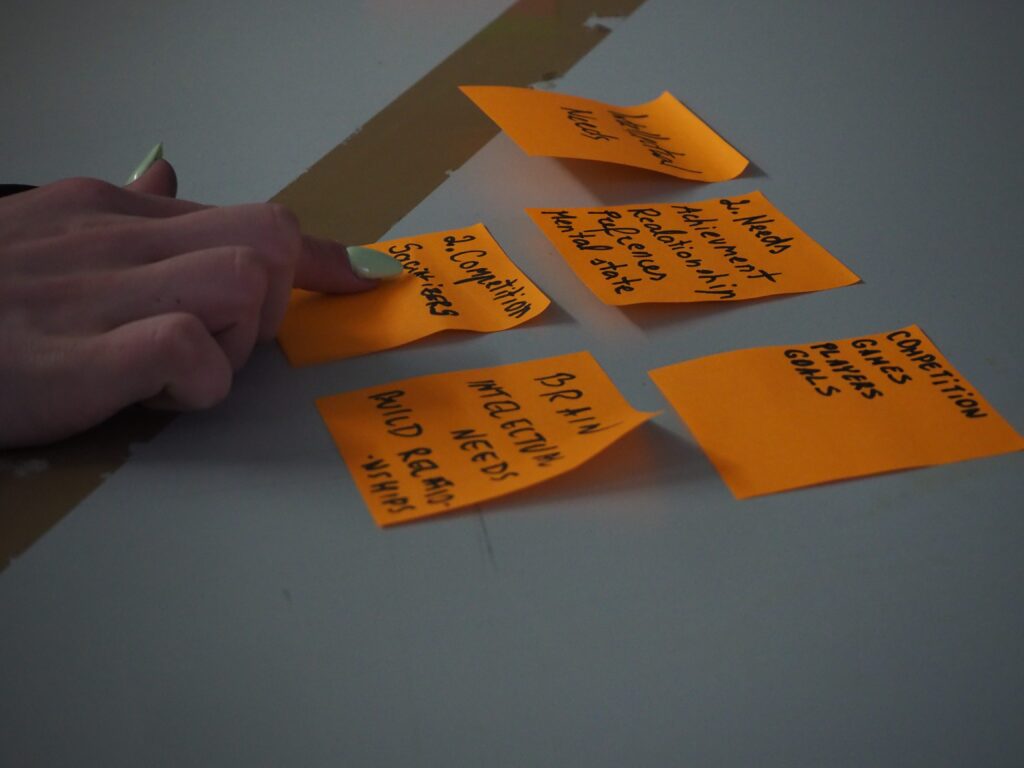
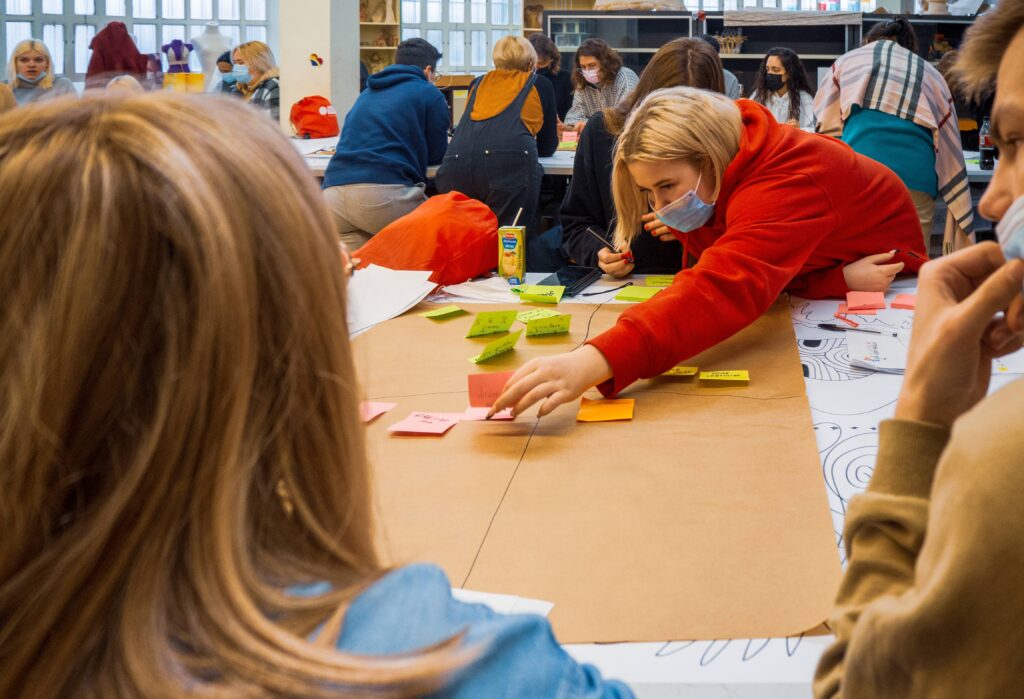
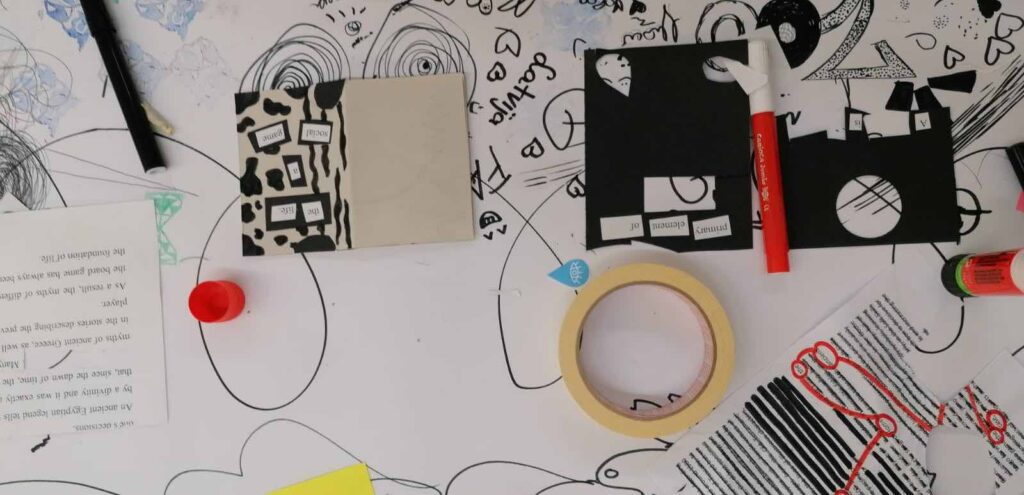
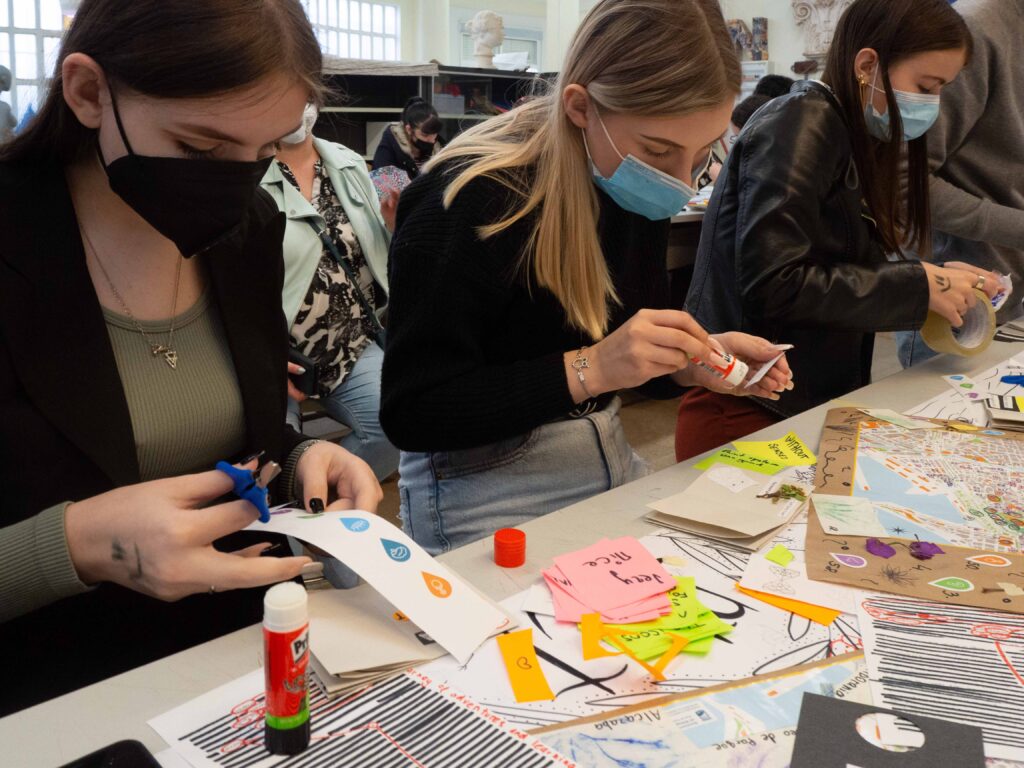
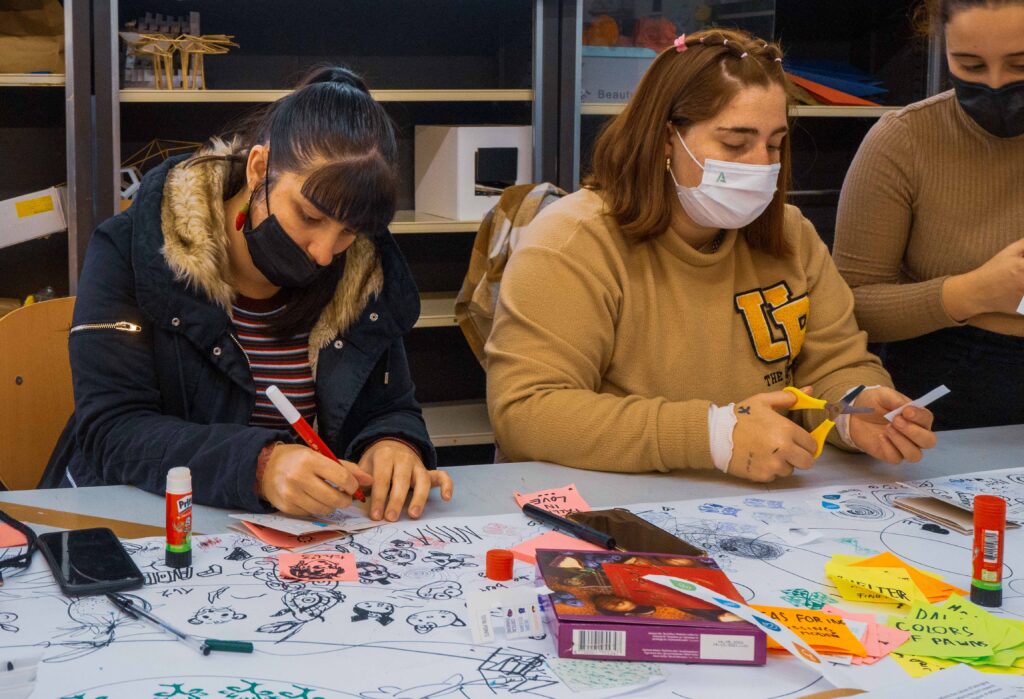
At the end of each session was organized a creative wrap up to focus and visualize the topics of the day. The first one was with the Cut up method.








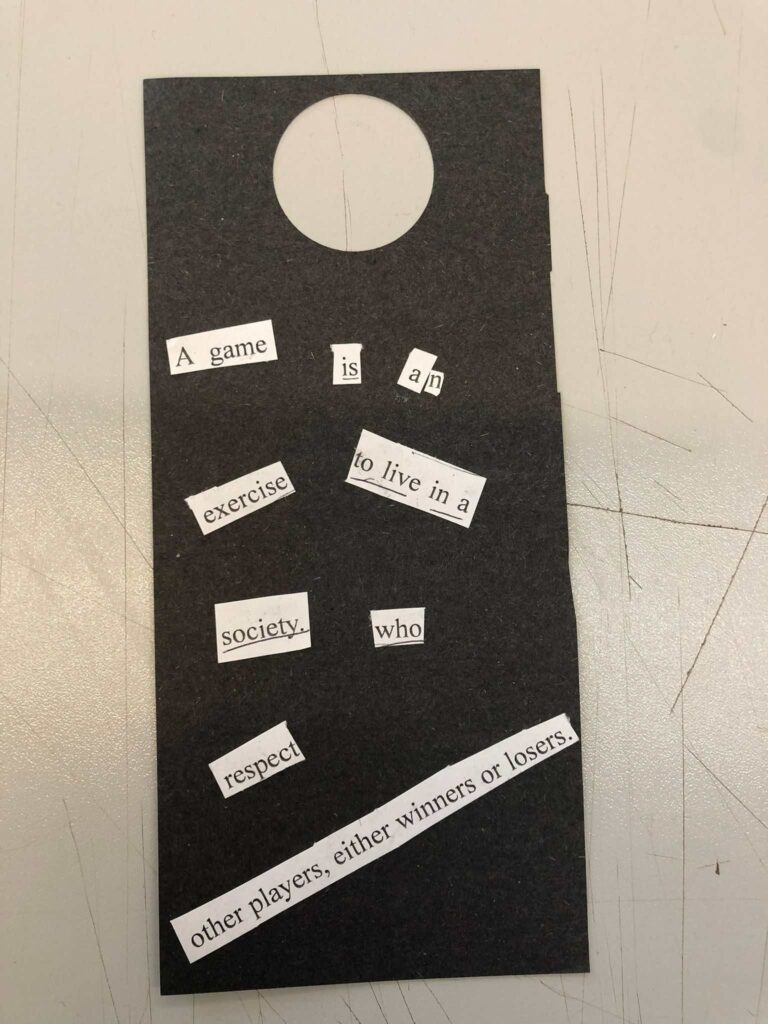
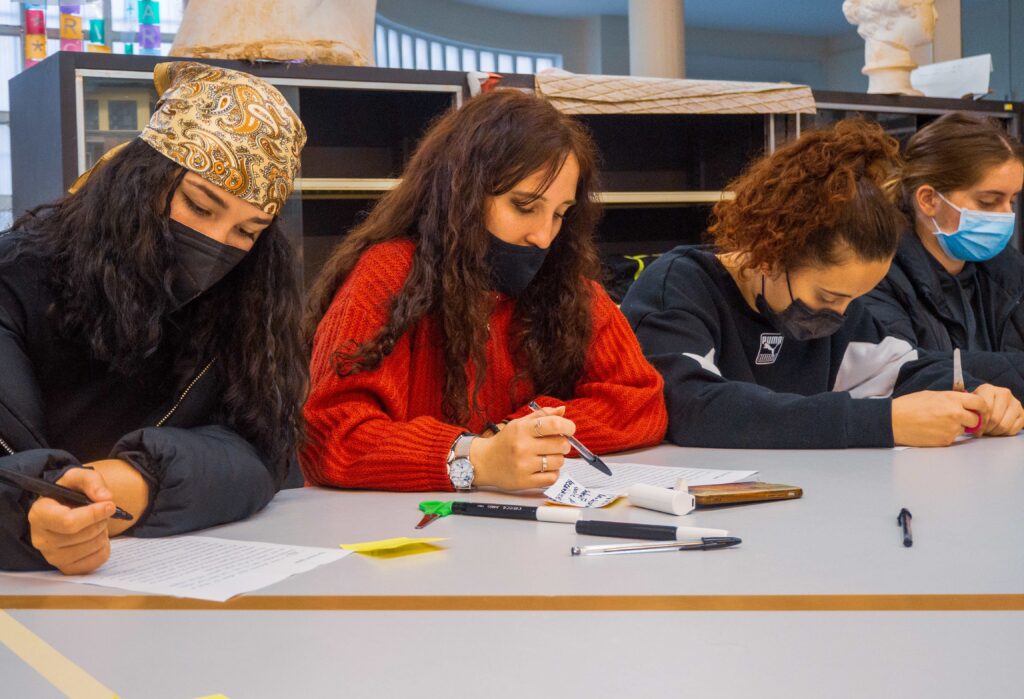


The experimentation between gamification and transversal skills continued on the second day of activities.
After learning the explanation of “soft skills” in a funny and innovative way, through 14 video quiz games, the students, in transnational groups, participated at the workshop “Hacktivity: hacking a game to play with soft skills”, to fully understand the gamification process, inspired by the well-known game “Rock, Scissors, Paper”, and challenge each other with other groups.
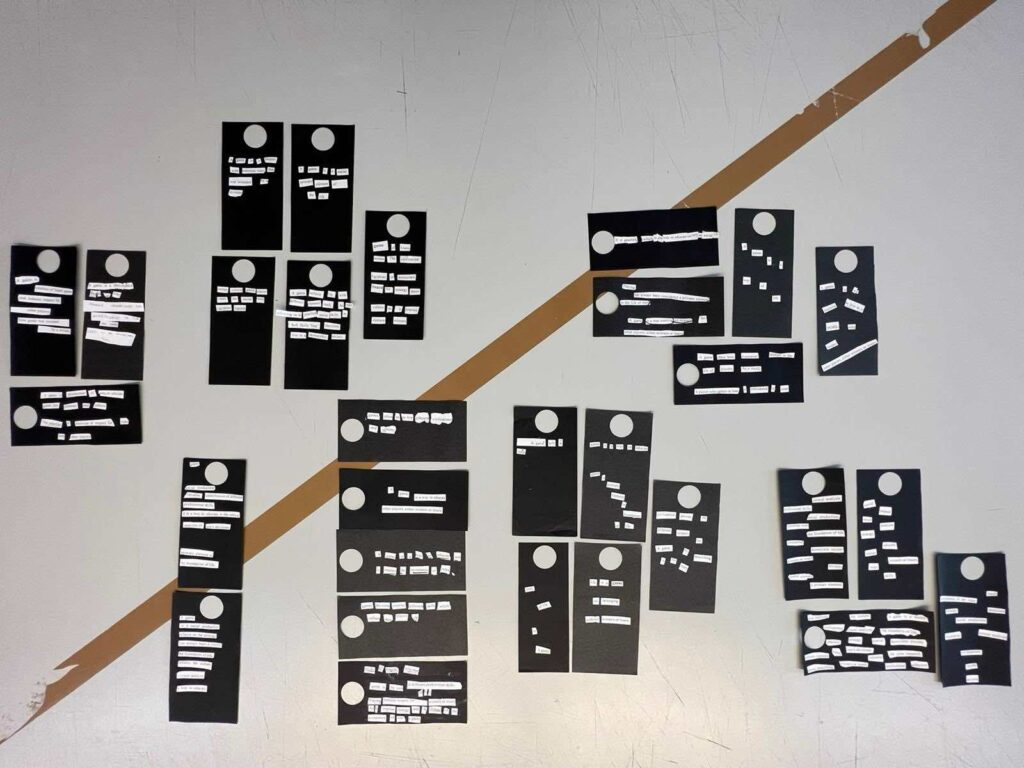
The synthesis was made with the caviardage method.
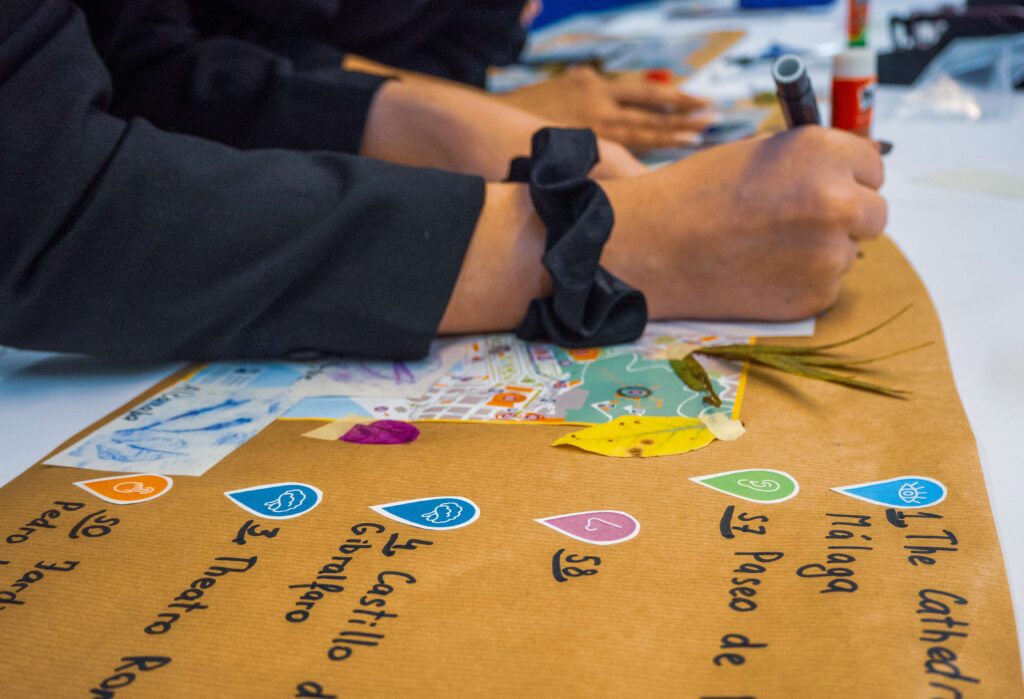
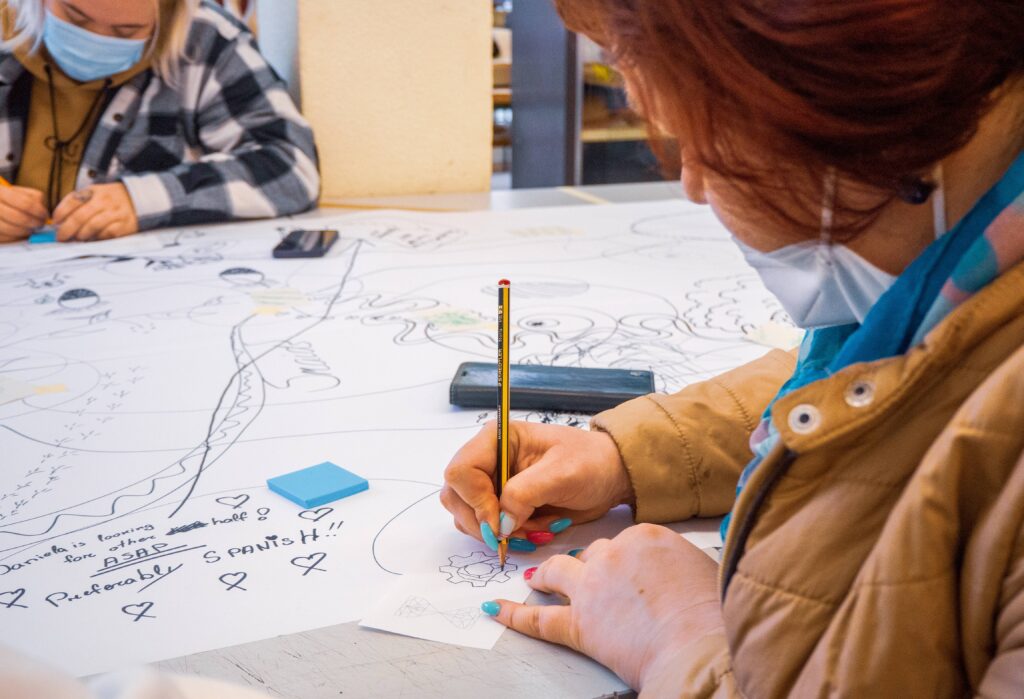
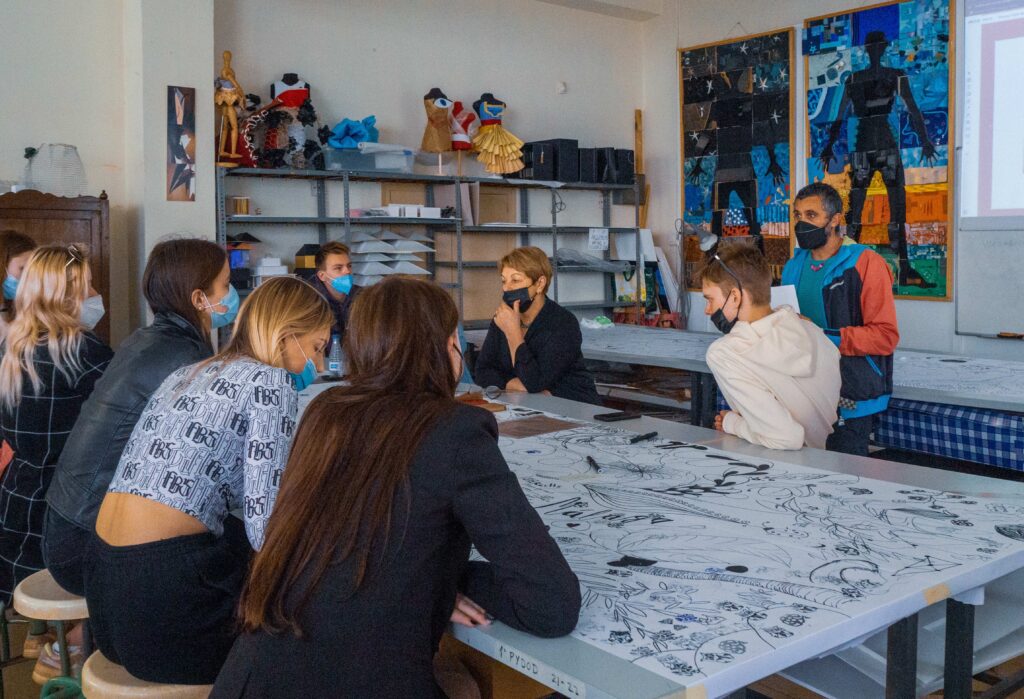
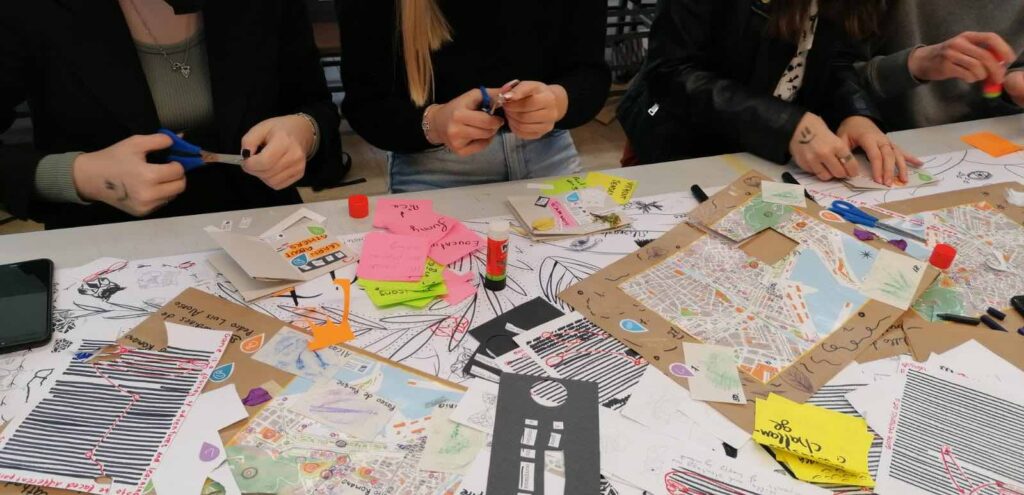
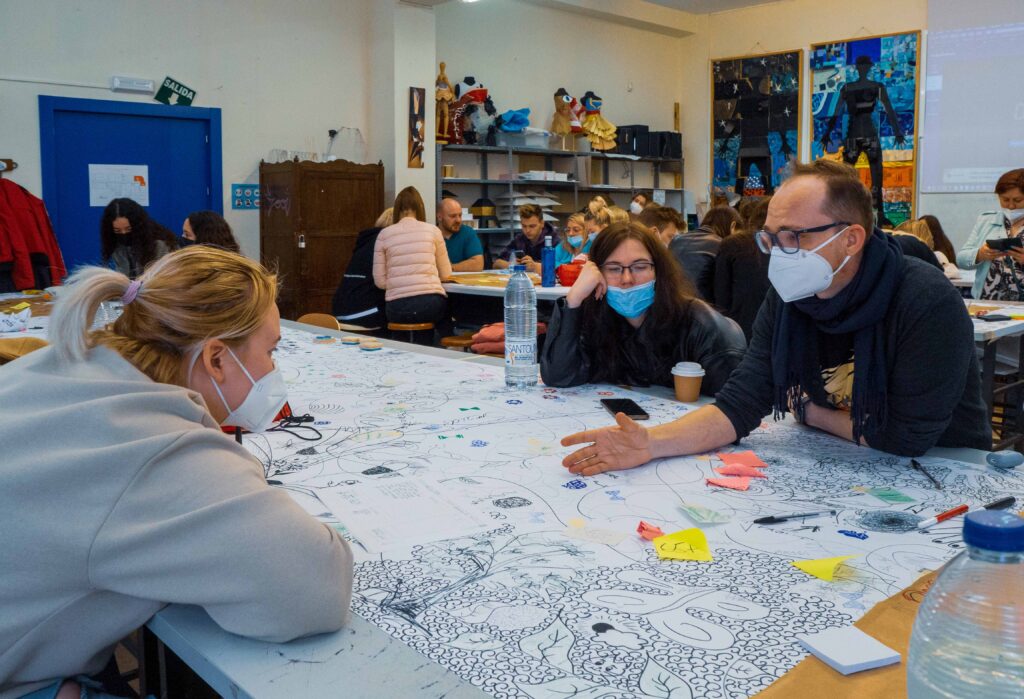
The students thus tested various transversal skills, including the ability to work in teams, also the international ones. They try to tell the impressions of Malaga making their individual emotional maps, through the findings gathered during the city tour. And after, all together they were involved to make collective maps to visualize new possibilities to mix differents points of view.

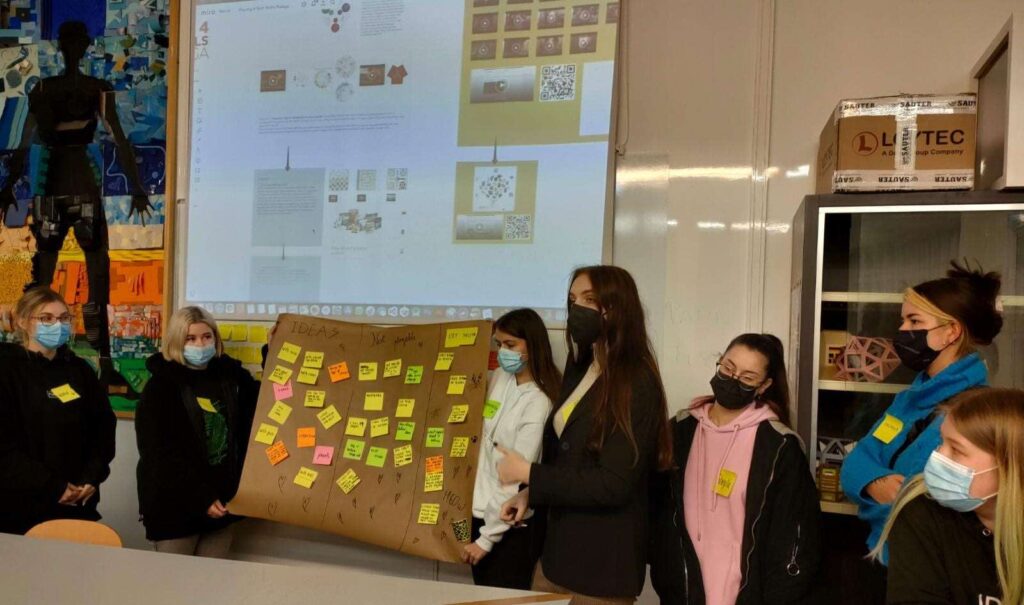


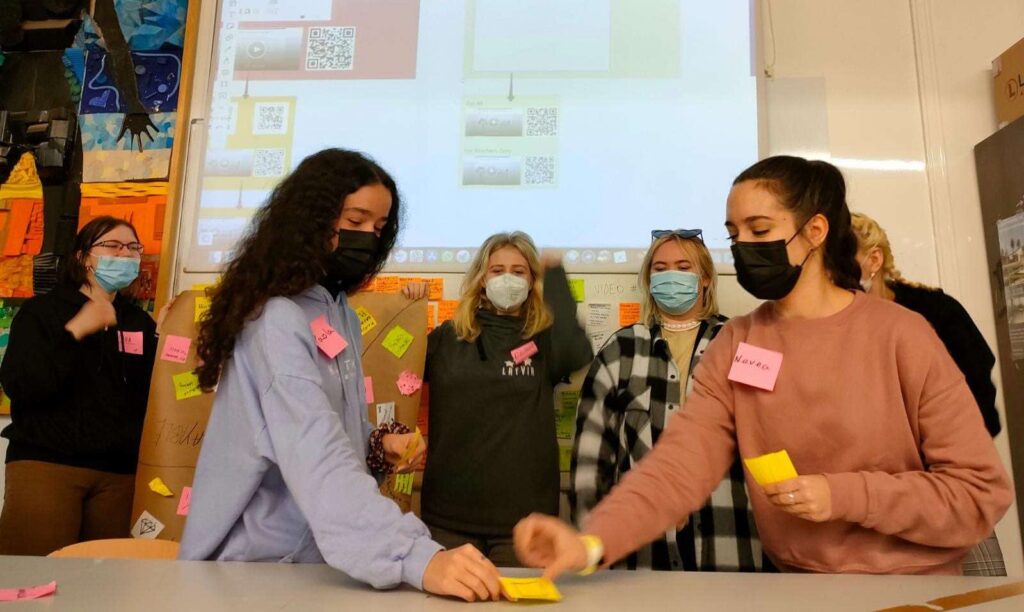

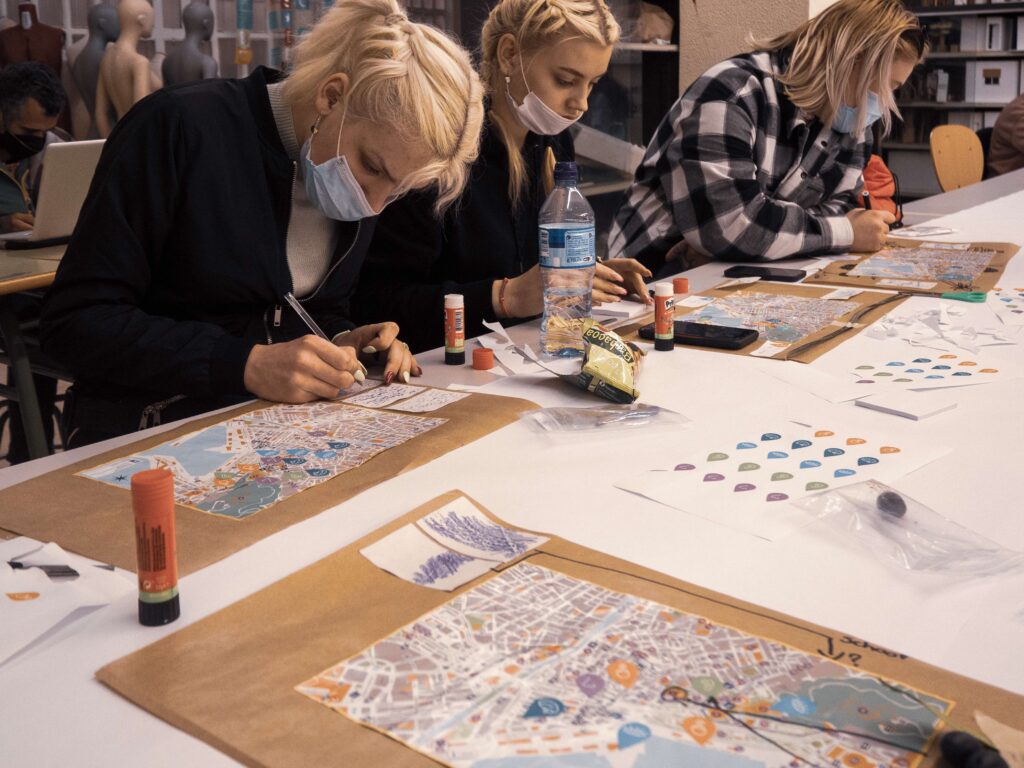
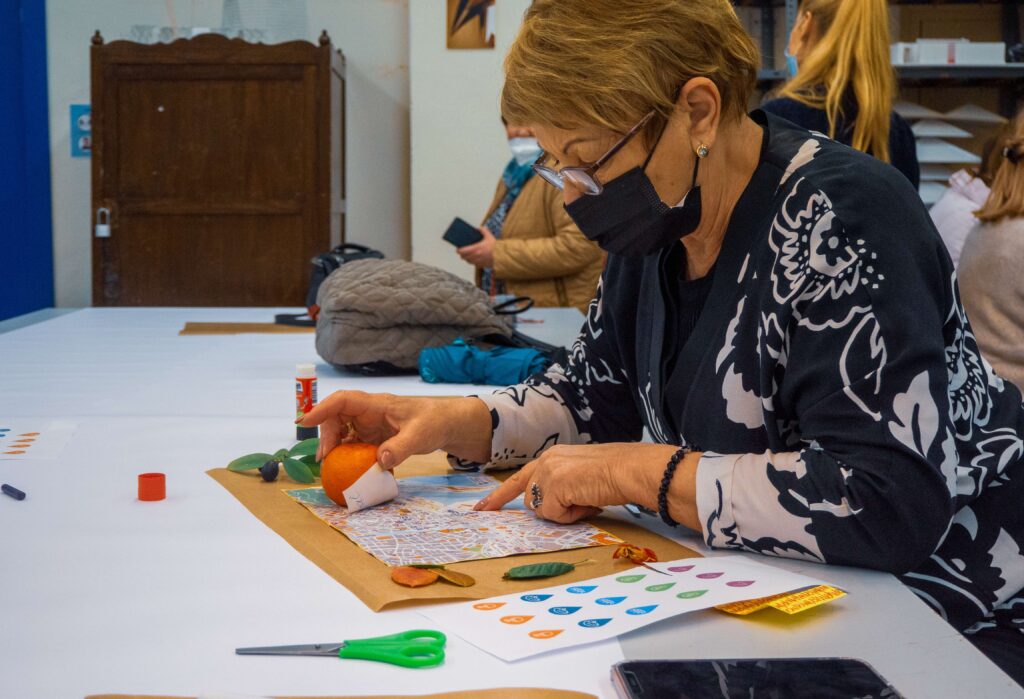

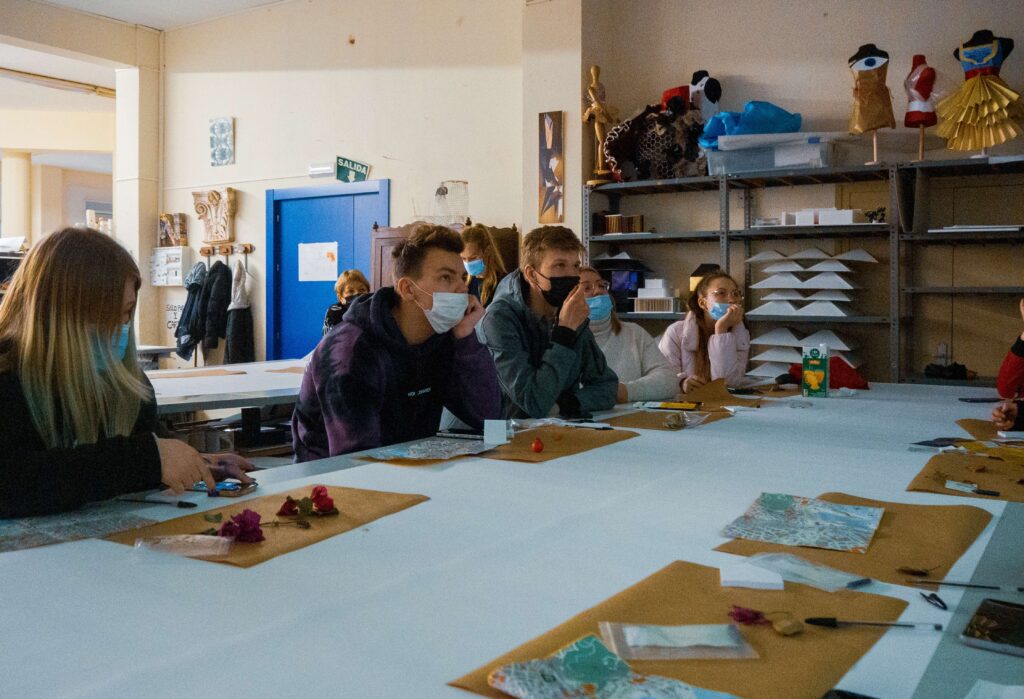
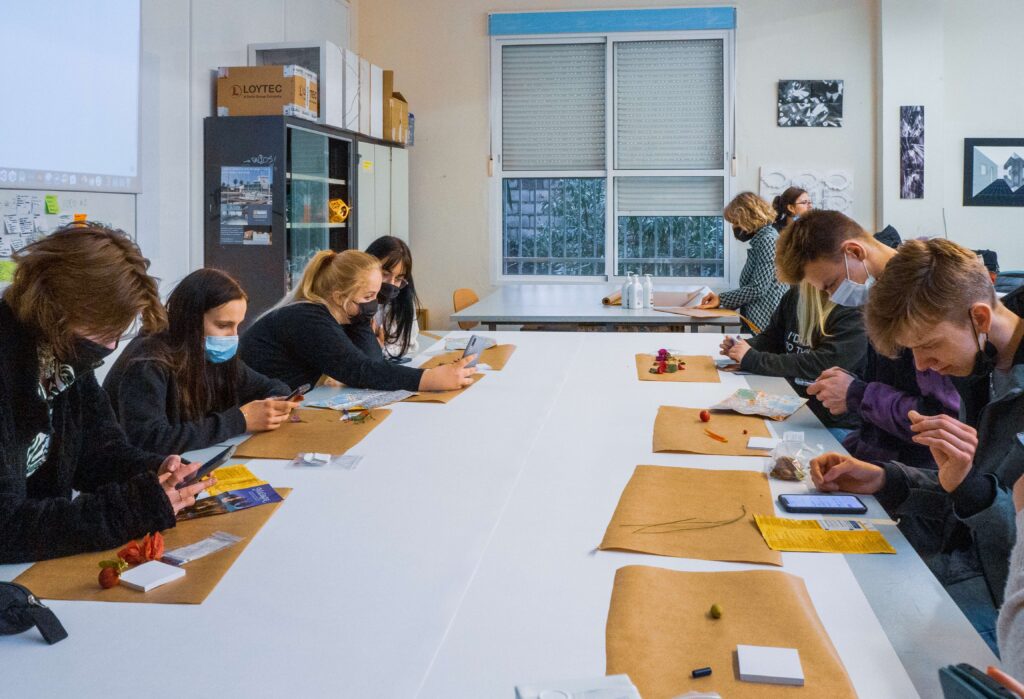


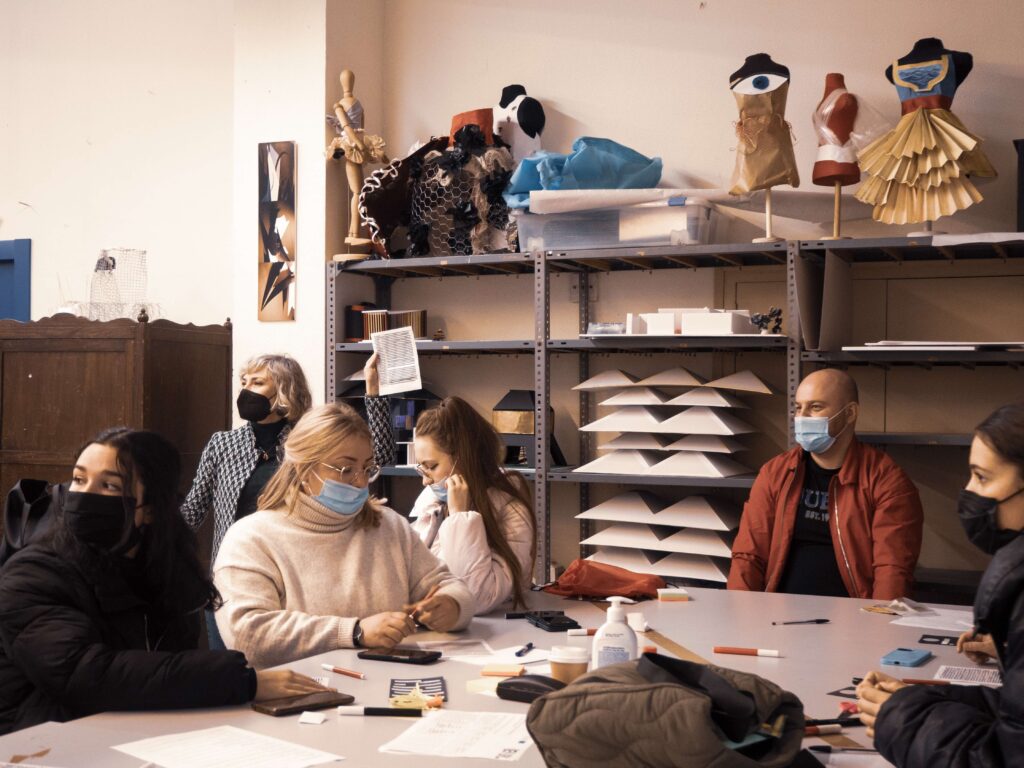
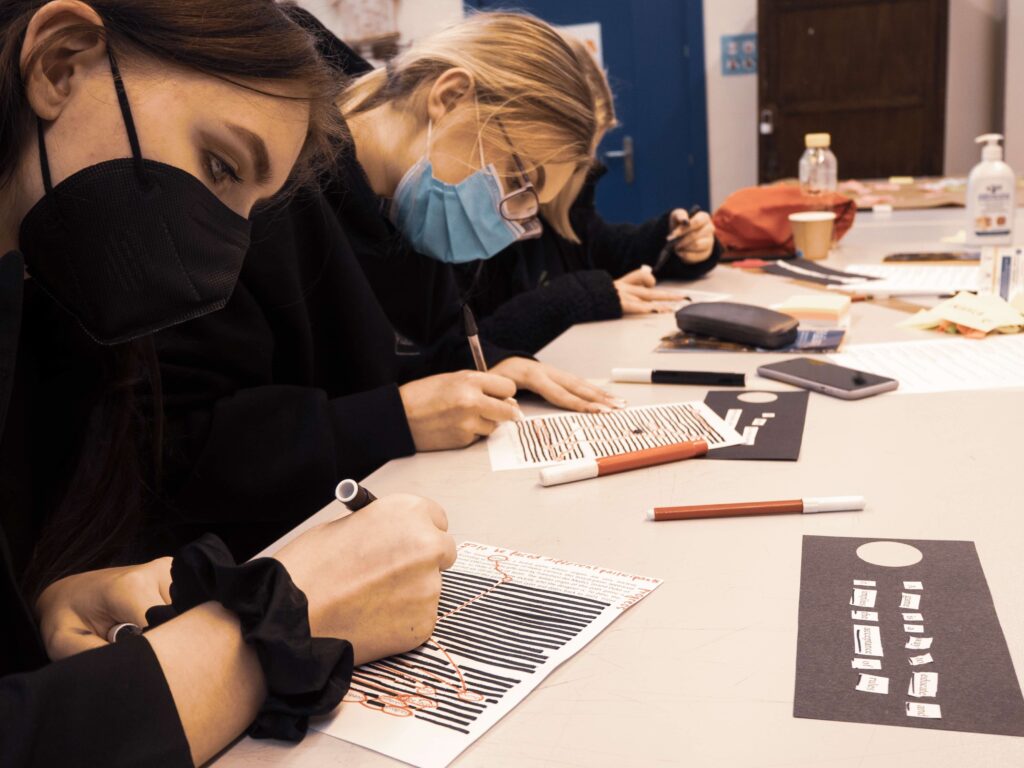


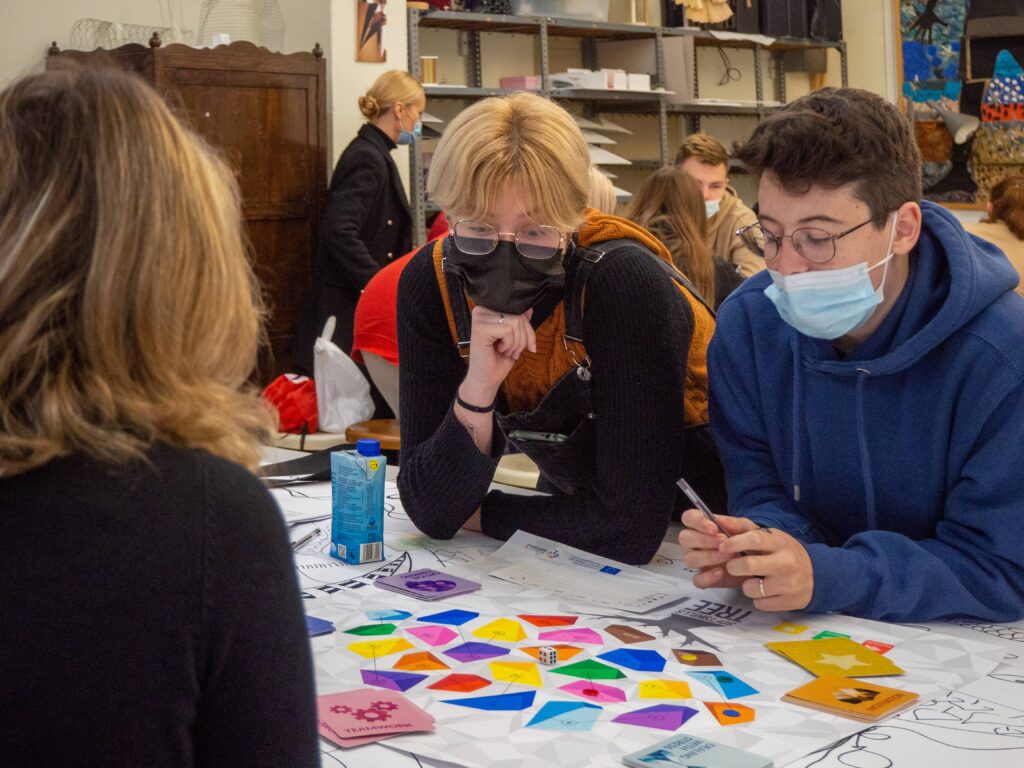
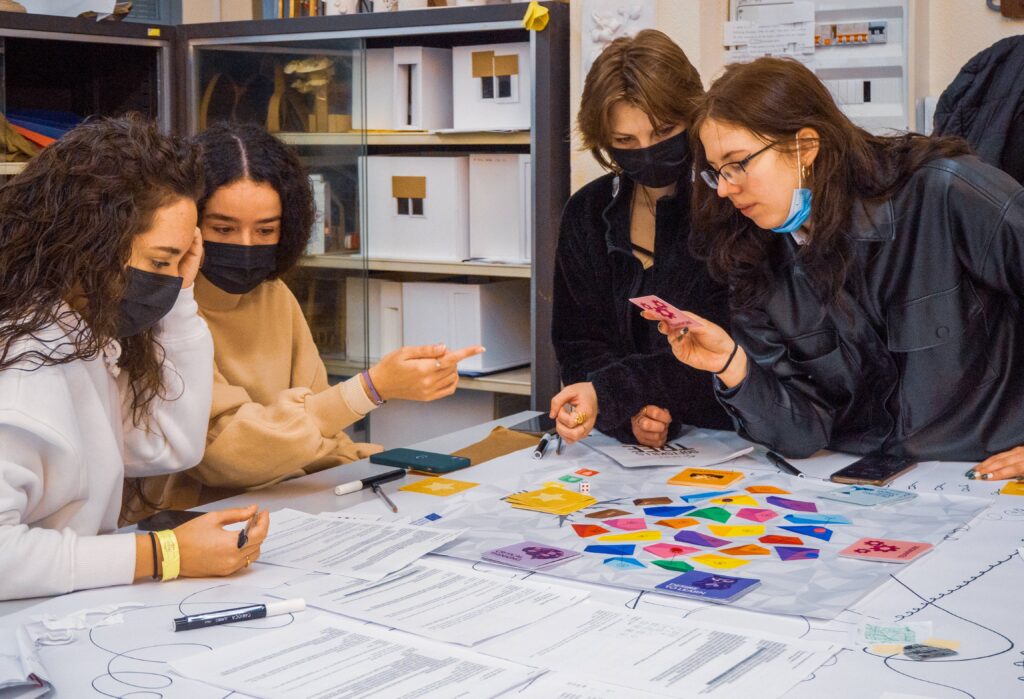
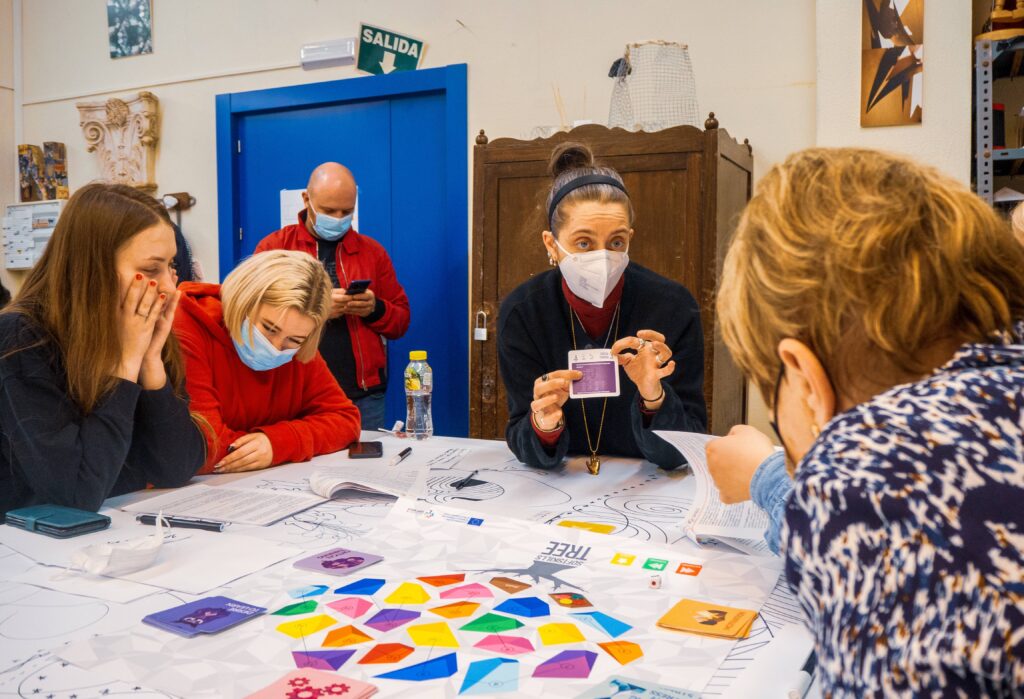
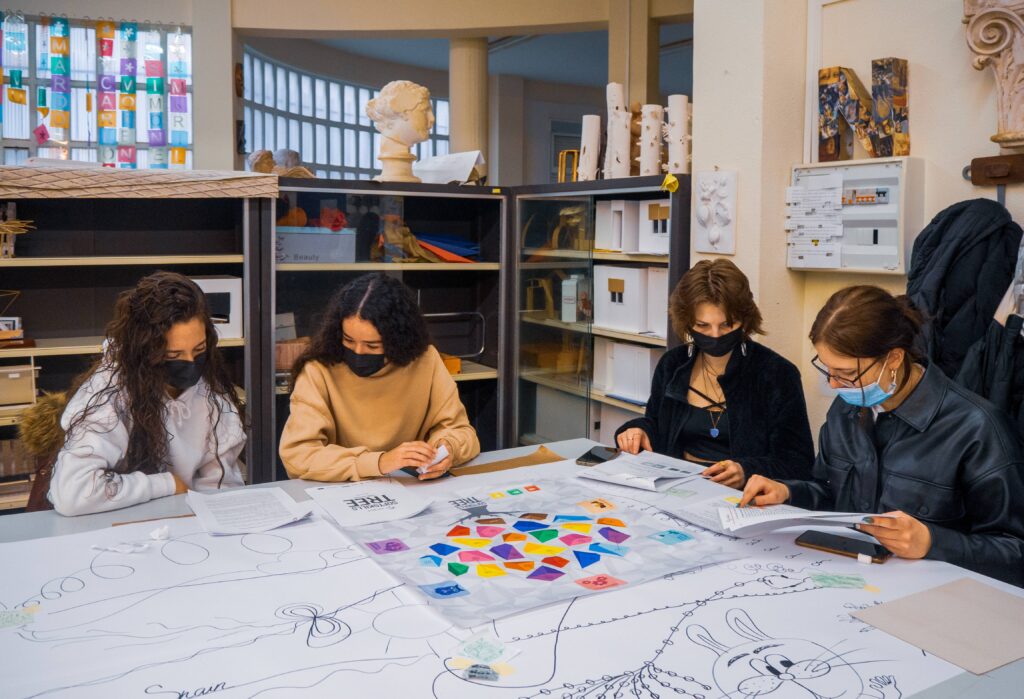
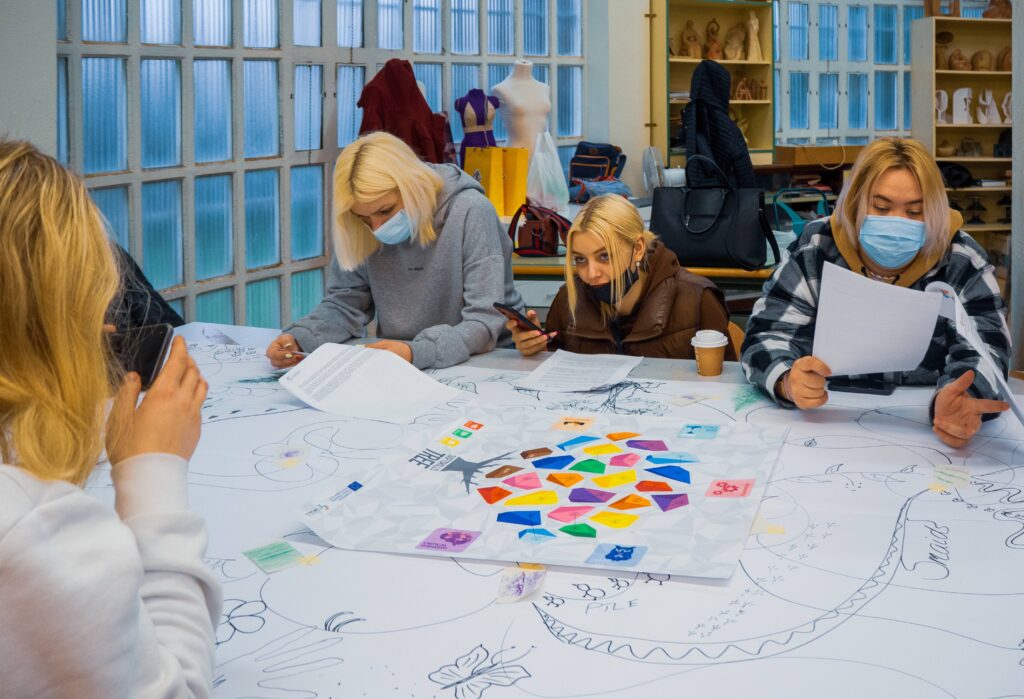
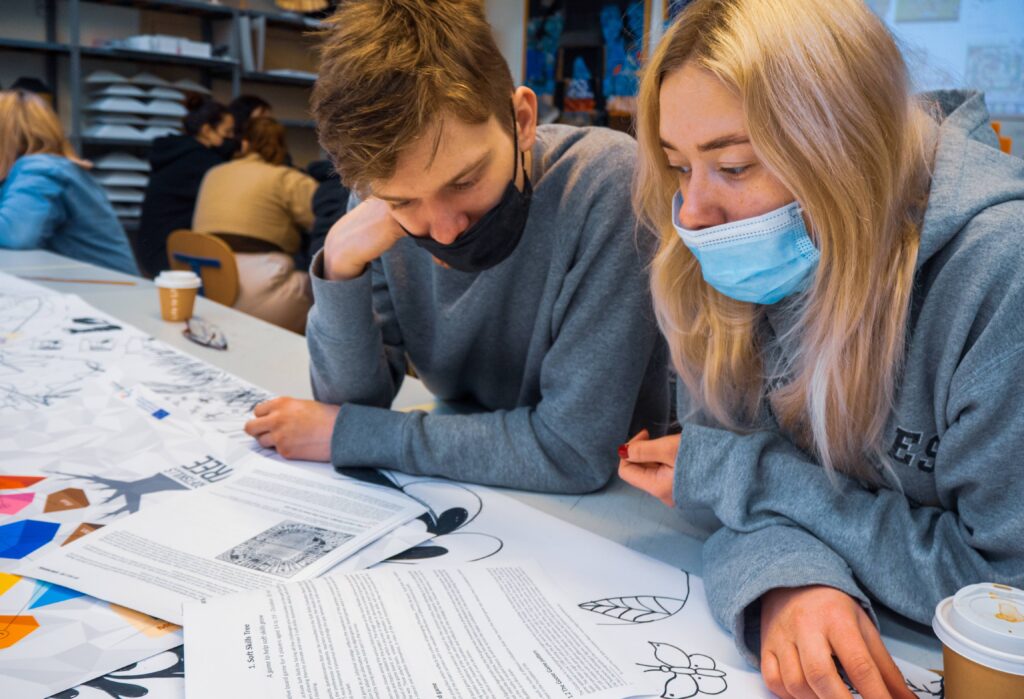
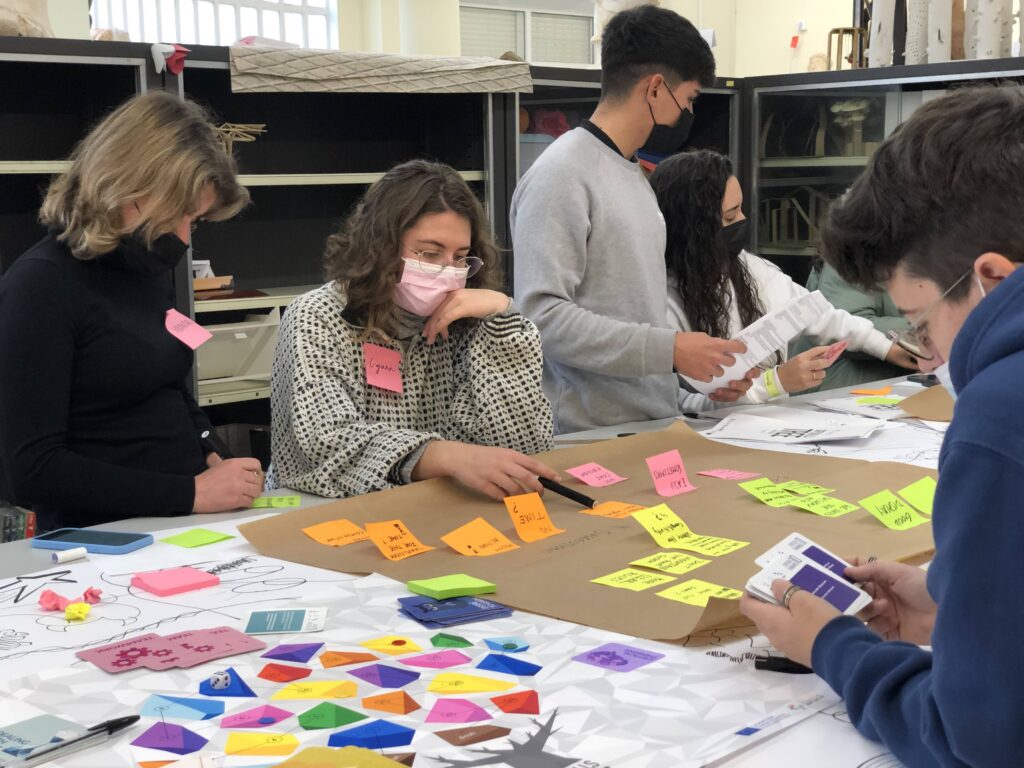
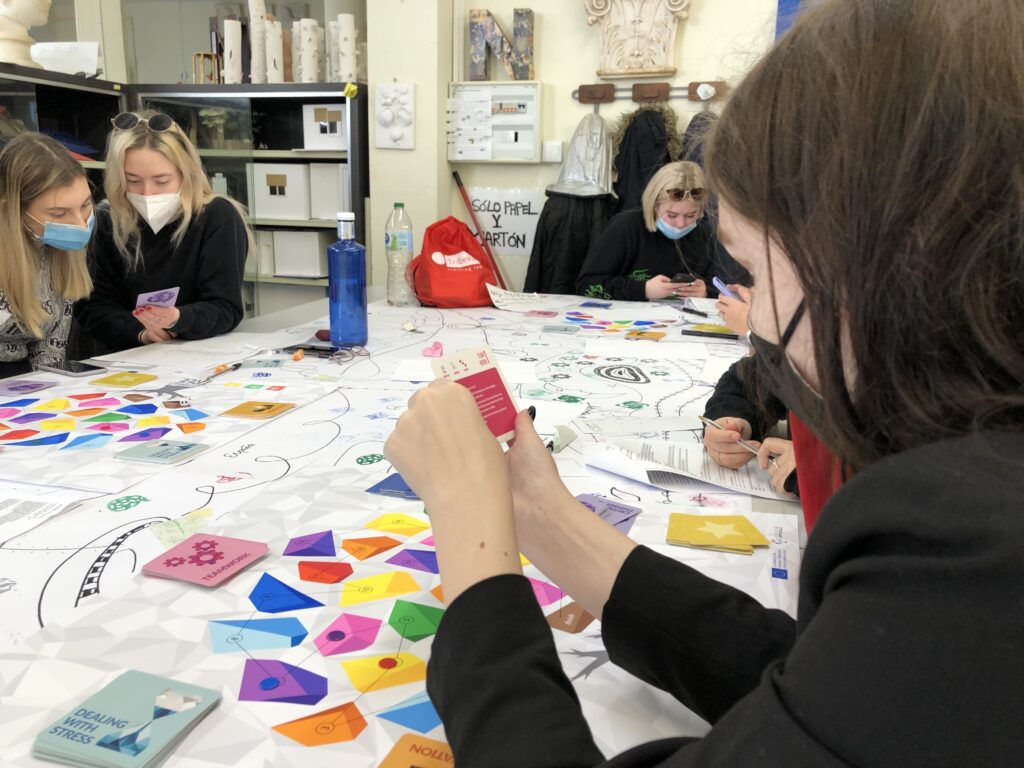
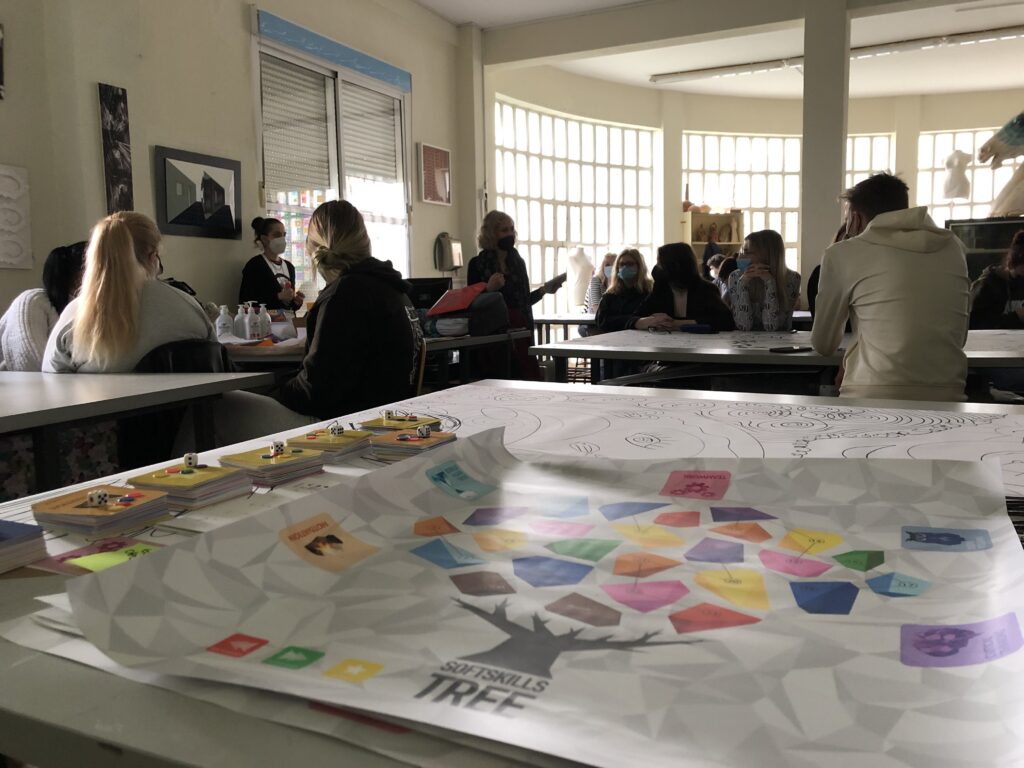
On the third day the students and teachers were ready to play the first playtest of the board game “Soft Skills Tree”. “Very nice, funny, educational, interesting, very attractive” are some feedback collected, but there were also many suggestions to improve the rules, to read the Game Manual and share it better in team.
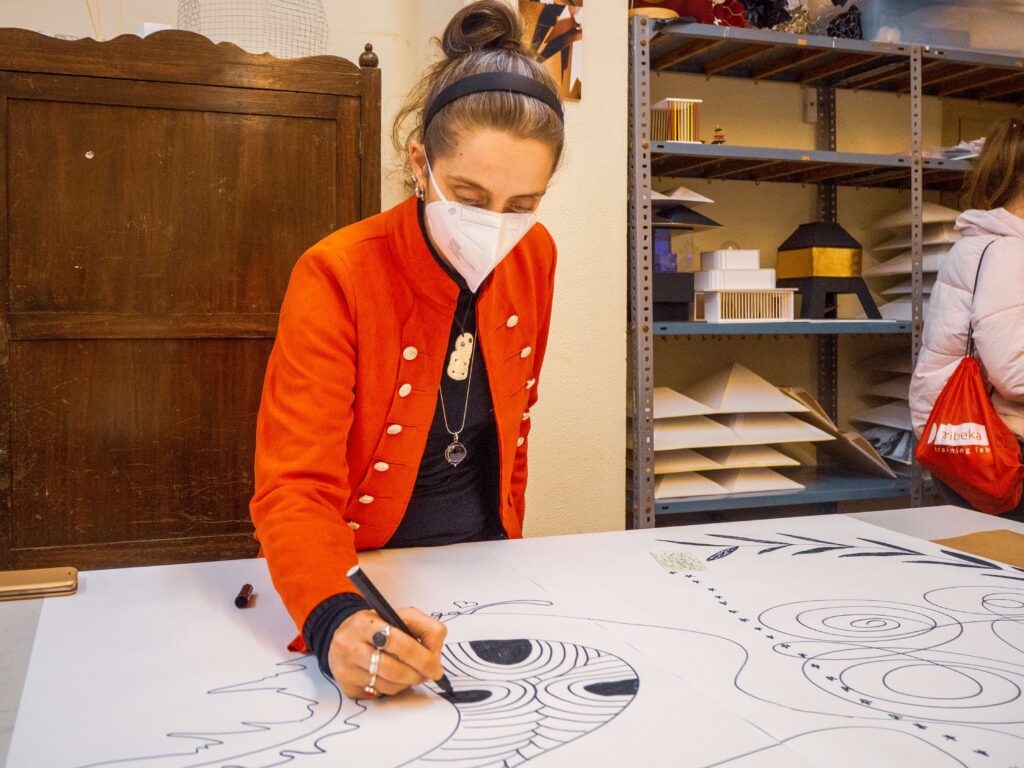
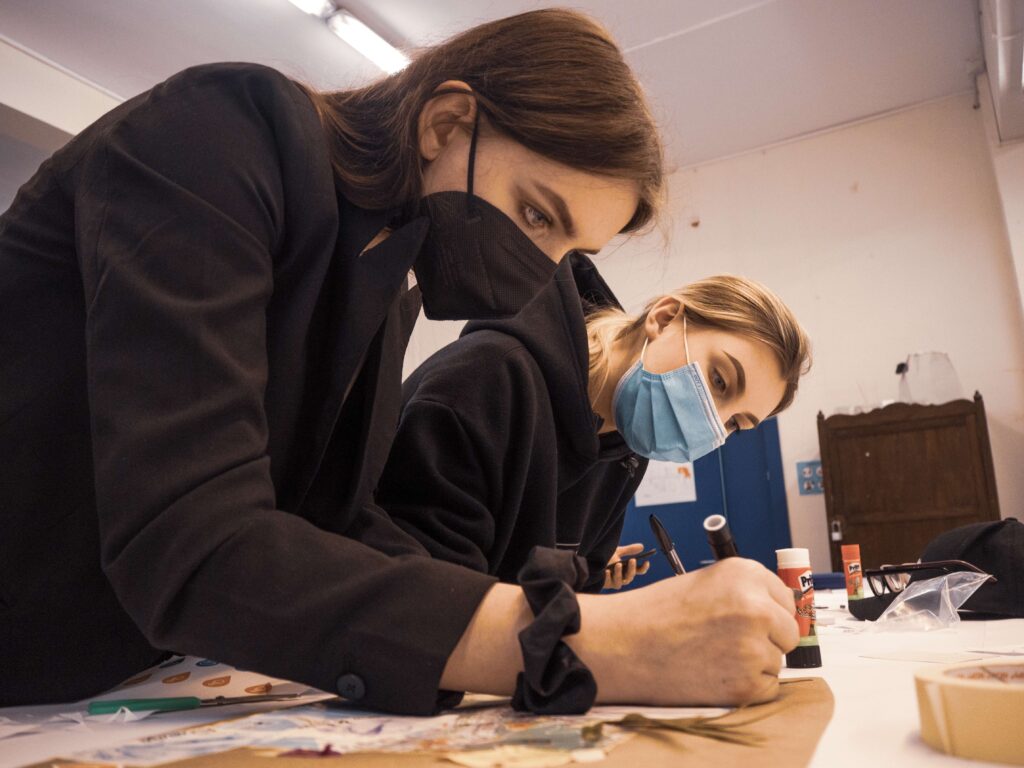
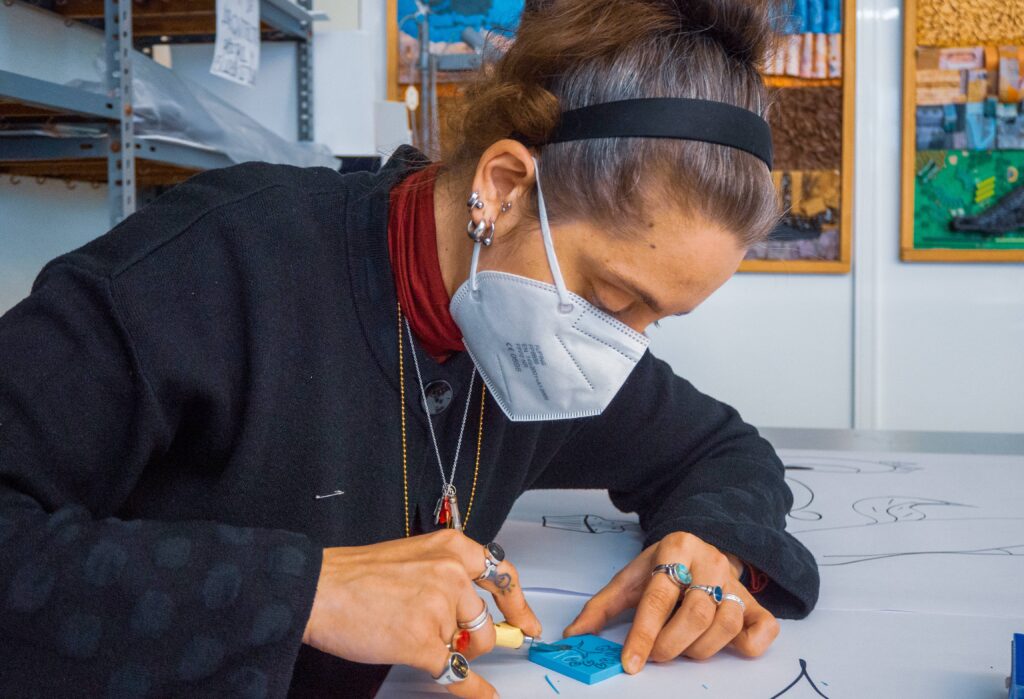
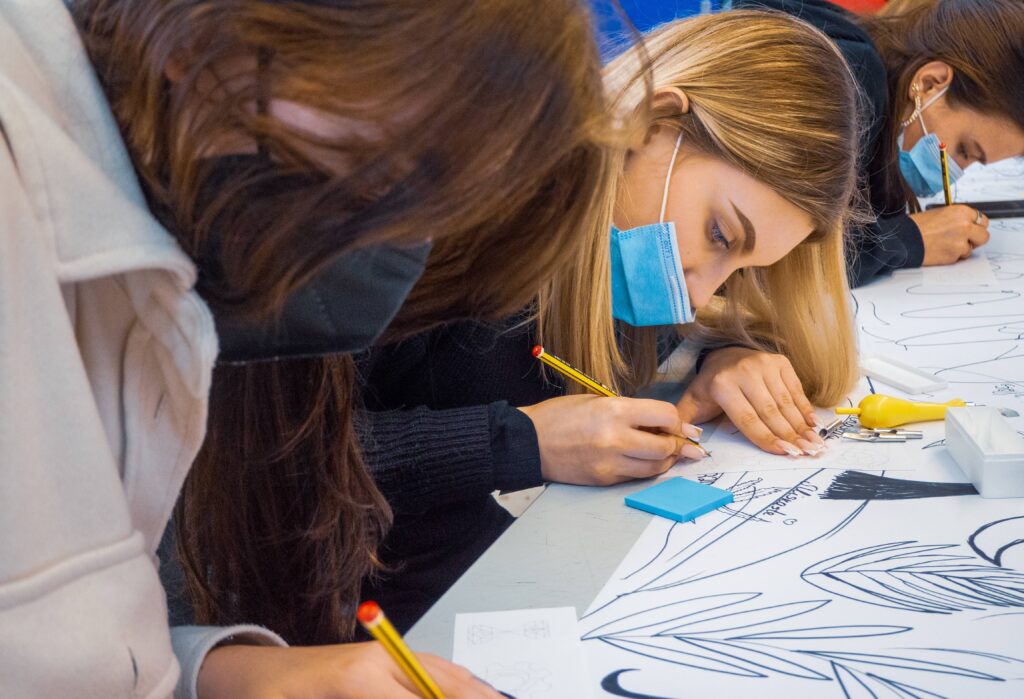
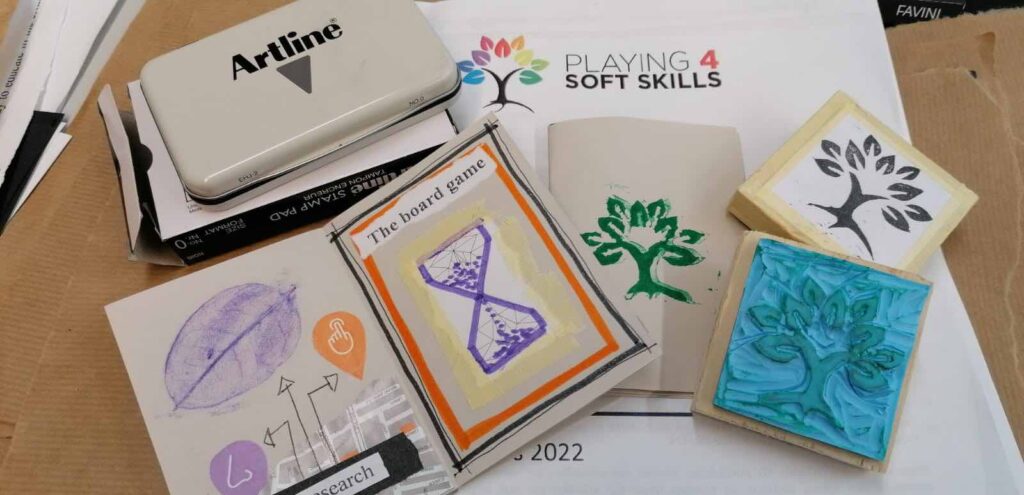
The second part of the day was curated by the teachers of San Telmo, with the creative activity “Soft Skills Tree art workshop: from icons to stamps”: a masterclass in which students learned how to create stamps with icons of soft skills. used for the “Soft Skills Tree”.
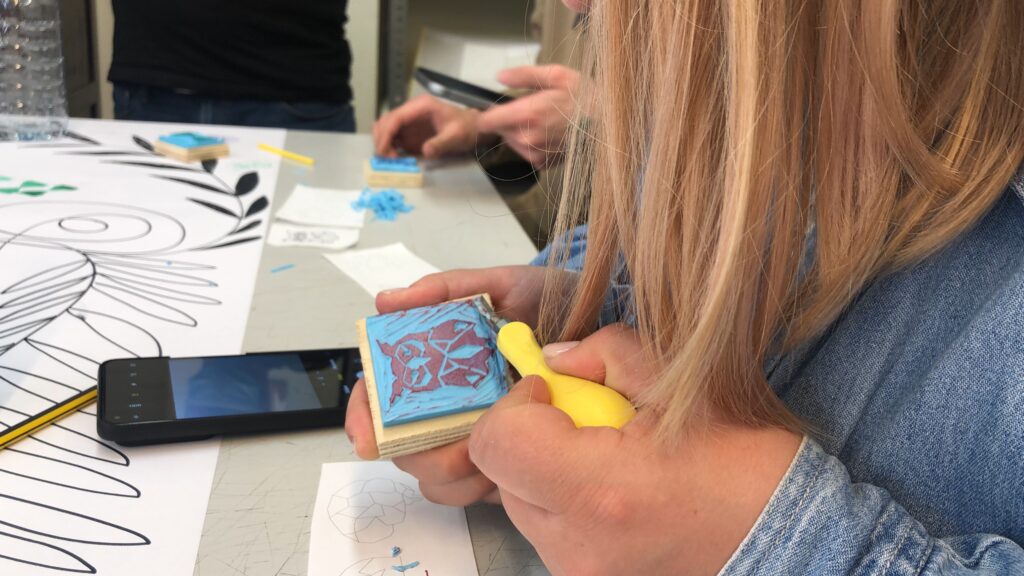


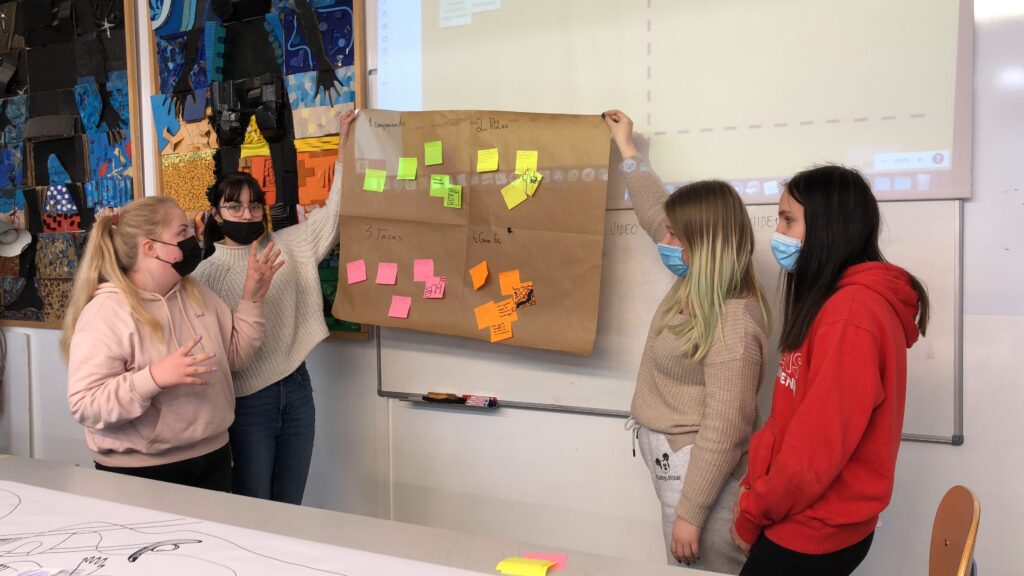







A 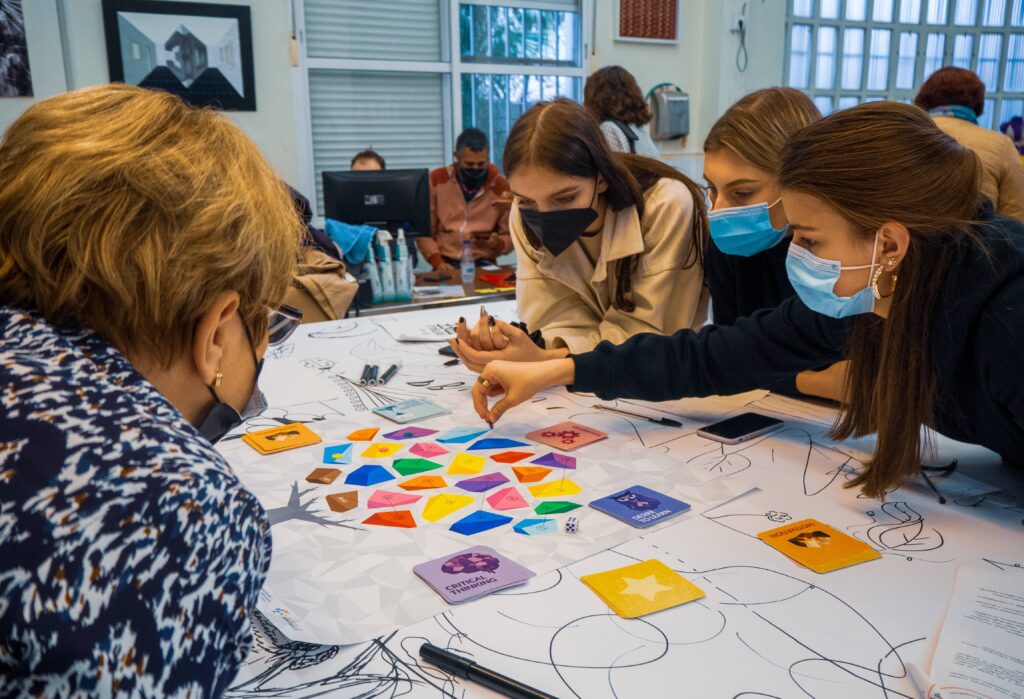
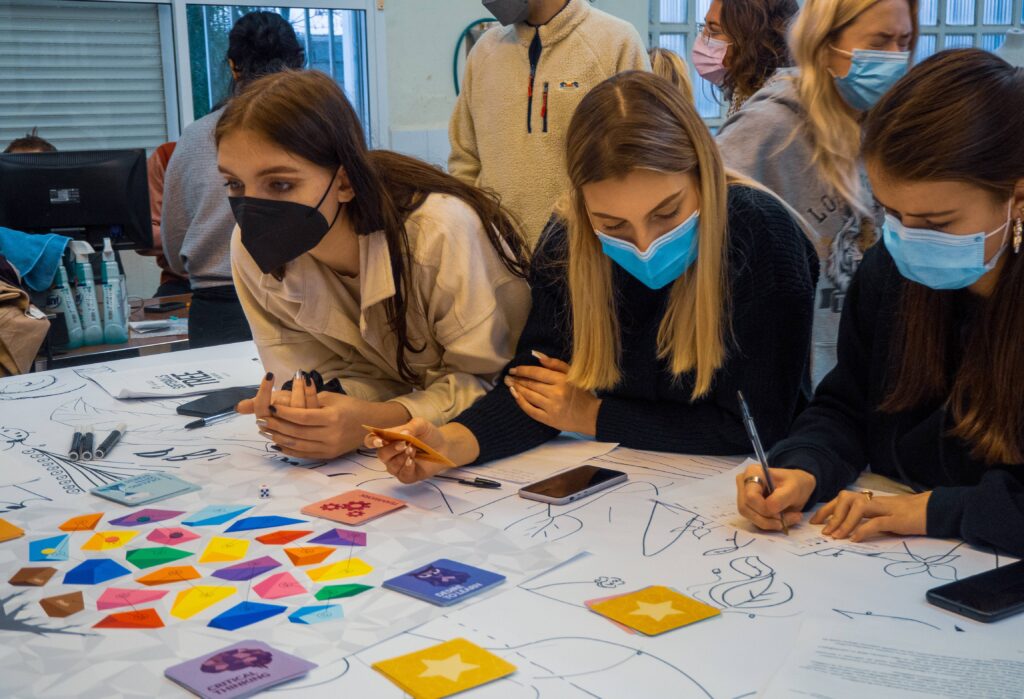






Playing with soft skills was the key word of the fourth day of LTTA.
The students, after receiving answers and explanations to the previous day’s questions and suggestions about the board game, ventured into a second playtest, this time in international groups, further strengthening their soft skills.
Students and teachers played with transversal skills also digitally: the participants interacted more closely with the digital app (Soft Skills Training App) to test the demo-version of the application during the work in progress, downloading it on their smartphone, so as to interact with it and give feedback about necessary improvements.
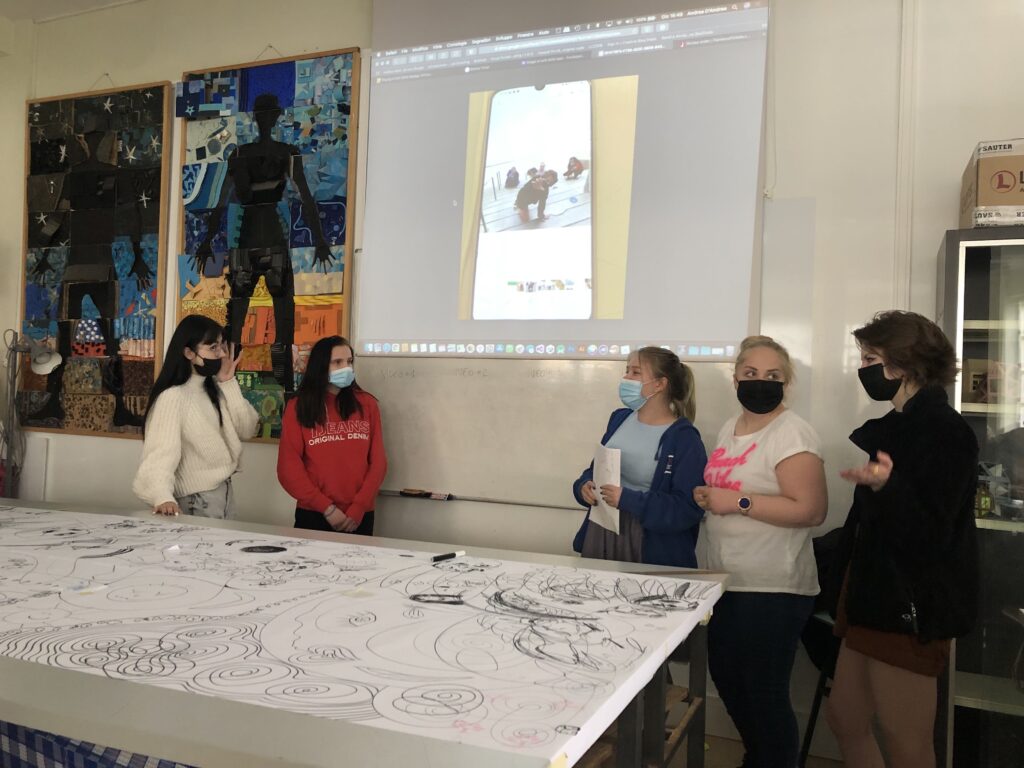
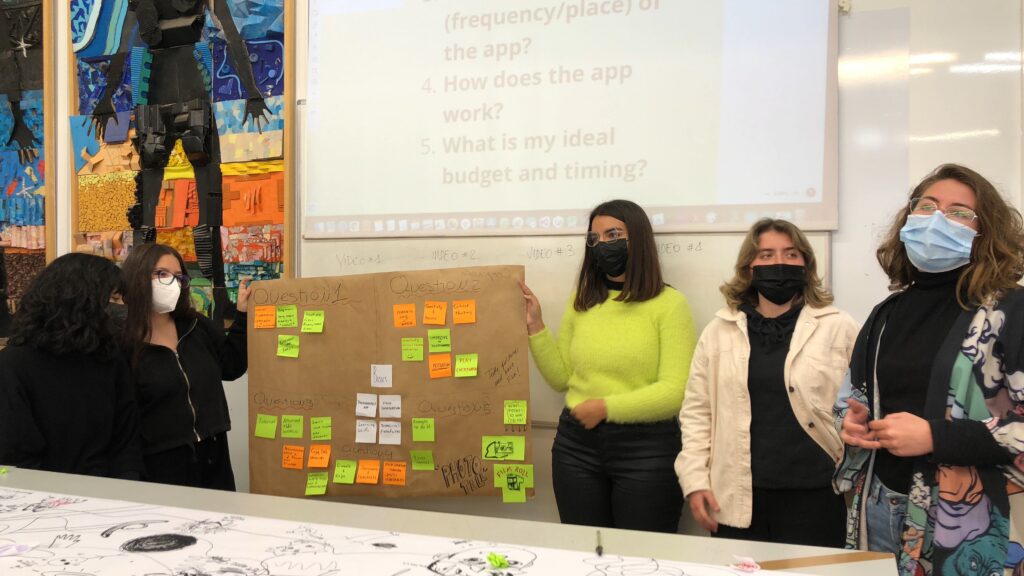
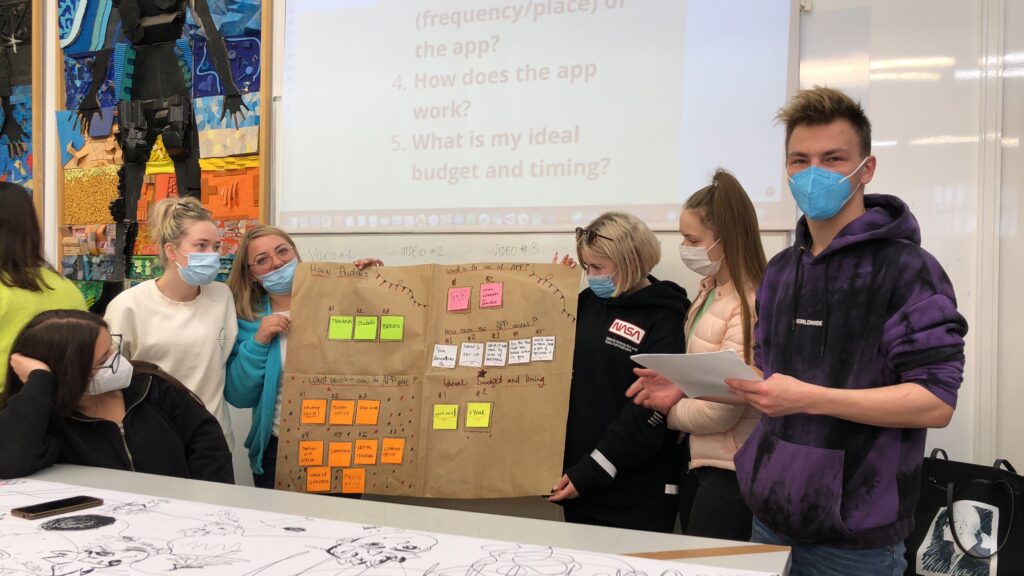
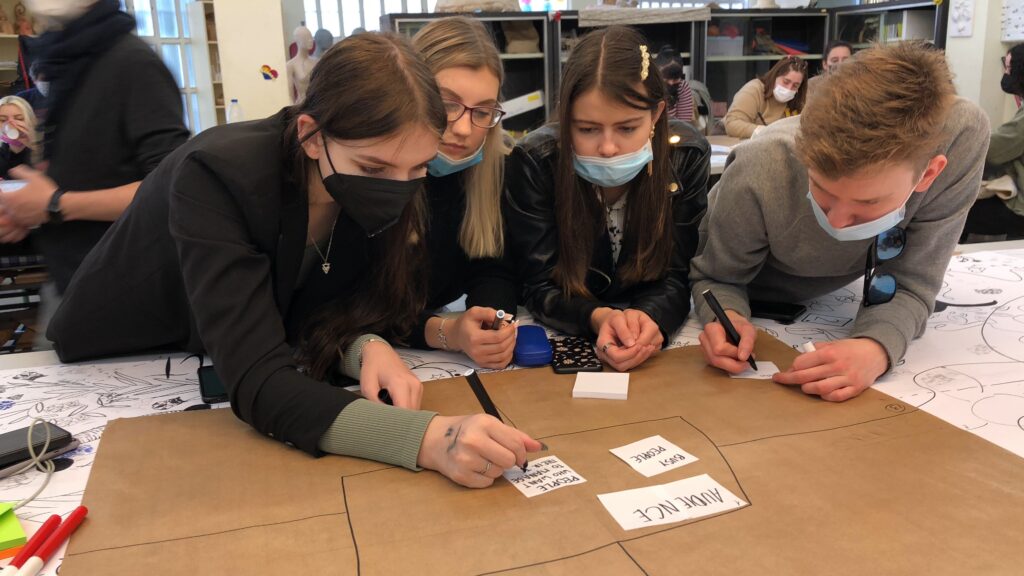
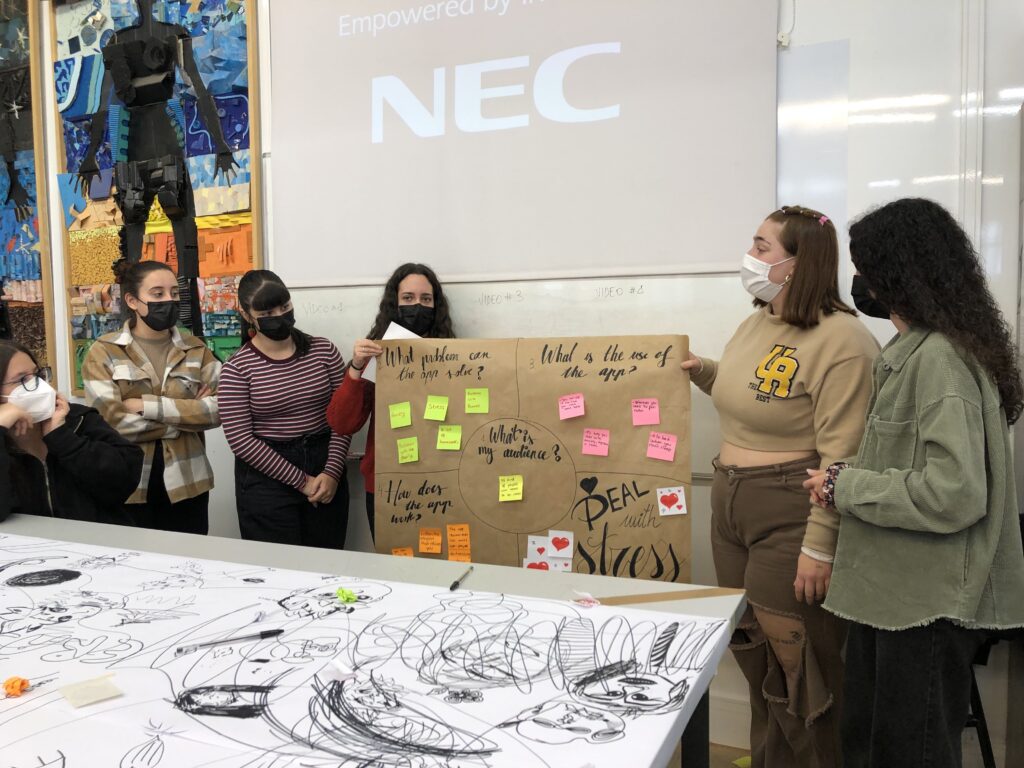
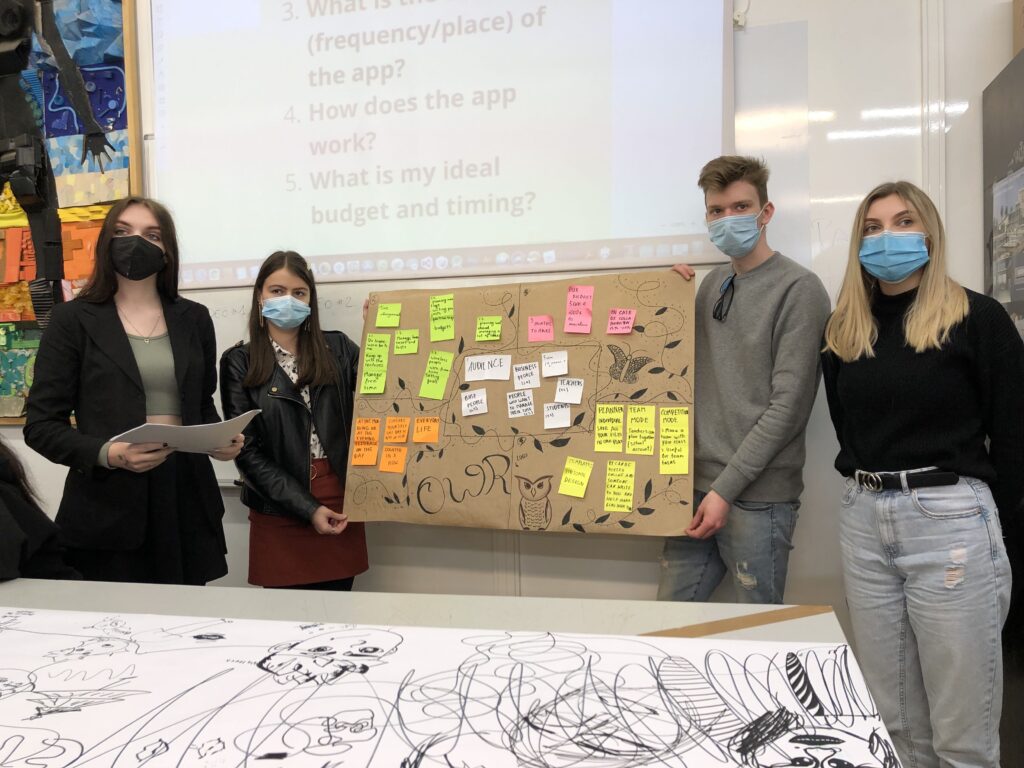
But not only. During the afternoon workshop the students, in small teams, were asked to provide suggestions to illustrate the app tasks, creating a photographic report of their ideas and presenting it to others.


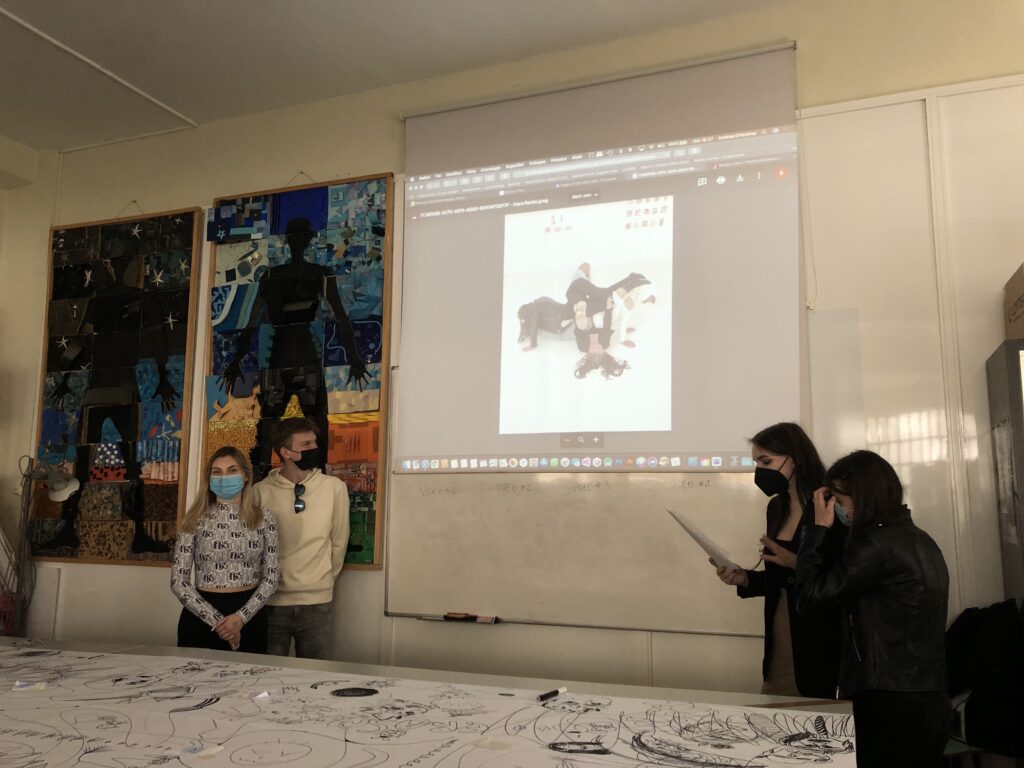



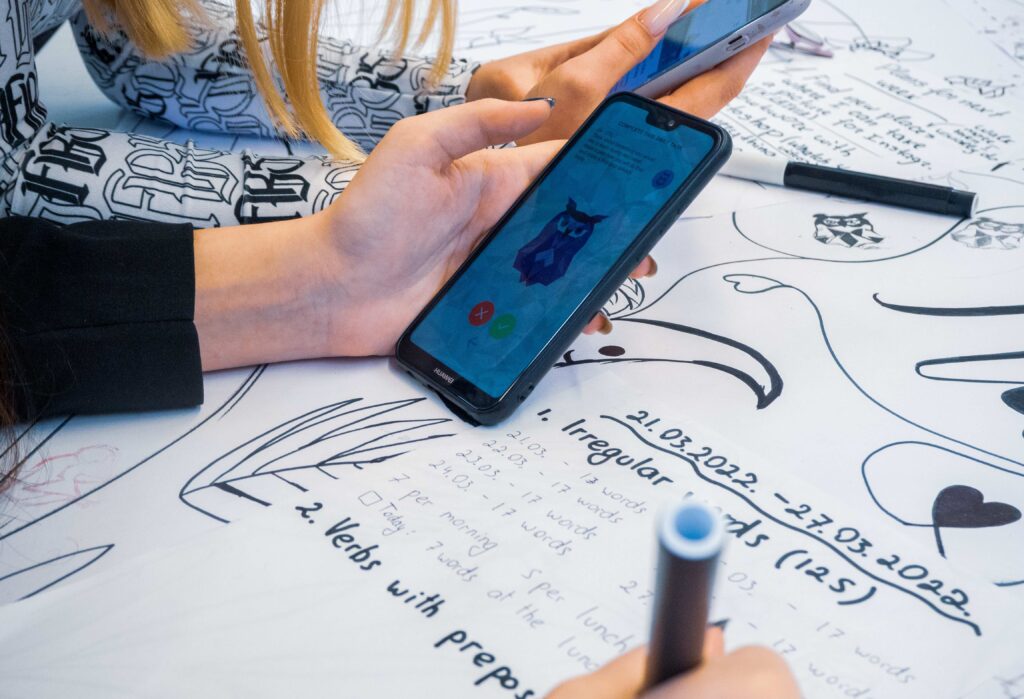


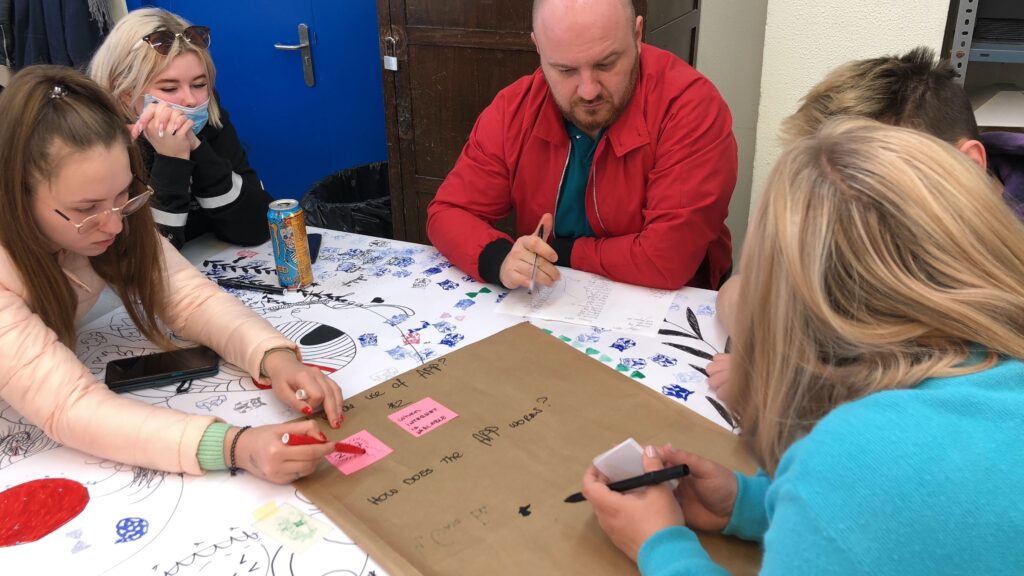
The Digital Bootcamp continued on the last day of activities, during which the participants, as a team, were asked to design an app about soft skills, so as to improve their understanding about digital technologies, even for educational purposes.
During all the week the teachers had the opportunities to test also the Training Notebook dedicated to their role of facilitators.
In the end, each student created a souvenir book as the last creative wrap-up re-using all the materials realized during the week and received the certificates of participation in the project.















The learning and training transnational activities therefore offered an innovative mix of games and digital tools that favored the activation of students’ transversal skills in the context of non-formal learning.
Considering the innovative approach used, these activities were also highly beneficial to participating teachers as they will experience in person the benefits of non-formal education on their students and will be able to familiarize with useful material for the implementation of innovative learning practices.
These activities also provided an invaluable opportunity to monitor and evaluate the testing phase and implementation of project outputs (Skill Box Game Manual, Training Notebook and Training App) in the context of structured learning activities held in a formal learning environment.
Furthermore, by involving two groups of participants from VET schools located in substantially different EU countries, such as Spain and Latvia, the learning activities were useful to shed light on the applicability of project outputs and activities across various EU contexts.
Finally, the feedback and inputs gathered from these learning activities, through the use of observation techniques, participant interviews and specific group discussions, will provide the backbone material for the upgrade of project outputs to their final version.