Briefly about IPAL
The IPAL project is a joint initiative of 5 organizations from Spain, Bulgaria, Italy, Greece and Germany that seeks to contribute and improve the current situation at a European level by developing quality assurance tools and training resources that promote the professional development of adult trainers and the quality of adult education. Primary target group of the project are adult education providers and adult educators, policymakers and educational experts.
IPAL’s two main aims are:
- to provide access to practical resources for training in effective instructional practices and building the capacity of adult education providers to plan, design, deliver and assess CPD programs
- to provide quality monitoring tools for adult education providers in the field of CPD of staff and overall relevance of the educational product which should promote better institutional development strategies and make the organizations more able to recruit and retain qualified staff.
Where do we stand?
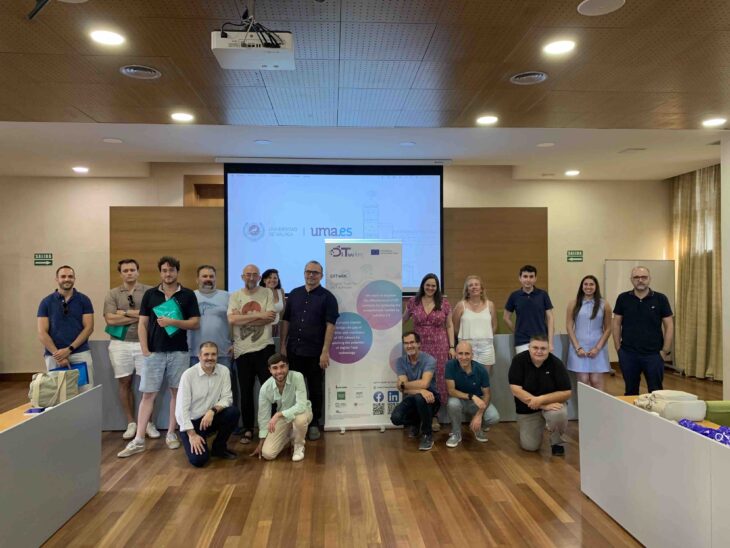
On 2nd of December, all 5 project partners from Bulgaria, Germany, Italy, Spain and Greece had an online meeting, where previous and following tasks were discussed.
The content and possible details missing from all the 8 training modules for adult trainers were briefly discussed among the partners. Finally, they concluded that the content was practically developed and only final touch–ups had to be made.
Regarding Intellectual Output 2 which stands for training resources and online training platform internal revision, external revision and development of project platform still has to be made and developed before starting with output 3.
After a fruitful discussion about the modules, project platform and deadlines, colleagues agreed on the date of the next Transnational meeting, which will be held on 21st and 22nd of February, in Mantova.
Tribeka and Intelectual Output 2
Tribeka as one of the IPAL’s project partners was responsible for developing the content of 3 out of 8 modules, namely the:
- flipped classroom approach
“Flipped classroom, also known as the “inverted classroom”, is a blended learning model in which traditional ideas about classroom activities and homework are reversed, or “flipped.” In this model, instructors have students interact with new material for homework first. They then use class time to discuss the new information and put those ideas into practice. True flipped learning is about opening up class time and transforming it into hands-on, differentiated, and even personalized learning experience.”
2. effective techniques for communication and work with parents and family members of adult learners
“Quality family communication helps to ensure that your home environment is more positive than negative. In fact, researchers have discovered that the quality of family interactions correlates with how satisfied they are with those relationships. Conversely, poor communication patterns oftentimes increase family conflict and diminish emotional bonds. Having effective communication between family members not only reduces negative interactions but also allows them to solve problems in a productive way.”
3. using interactive (online and digital) resources, e-learning tools and social media in adult education; ICT-based tutoring services, pedagogies and practices.
“Using interactive online and digital resources and e-learning tools has developed significantly over the last decade and has many advantages to the result of learning process such as efficiency, accessibility of time and place, affordability, improved students’ attendance, whereas it also suits a variety of learning styles.”
Do you want to learn more about the content of other modules? All the project and output updates will be published in the project webpage.