The Erasmus+ KA2 AI in Mentoring project has successfully entered one of its most critical stages: the practical training of host company tutors to effectively integrate Artificial Intelligence into modern mentoring practices. This exciting step moves the project closer to its central goal of supporting the modernisation of Vocational Education and Training (VET) through digital tools.
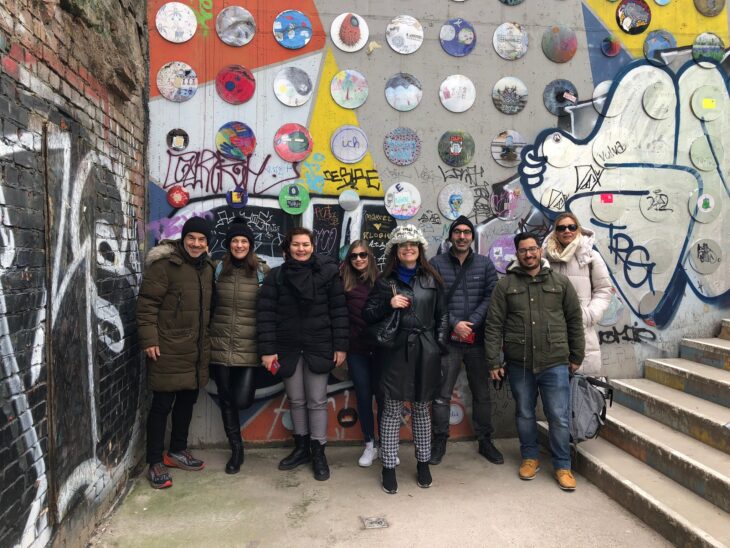
On the 12th of December, our Spanish agency Tribeka Training Lab’s office hosted the 1st in-person training session on AI Literacy. This event brought together dedicated tutors from host companies who are essential partners in the project and are motivated to harness the power of AI to improve their mentoring roles.
The session’s main objective was to equip these mentors with the necessary knowledge and practical experience on using AI tools responsibly. Participants gained deeper, practical insights into various AI applications, from using large language models (LLMs) like ChatGPT or Gemini to plan initial mentor-trainee meetings and structure feedback, to the practical application of AI.
Furthermore, participants had the opportunity to exchange thoughts and experiences, transforming theoretical knowledge into practical, collaborative strategies. Crucially, the training dedicated time to deeply discuss the complex ethical, security, and bias aspects of AI integration, ensuring tutors become responsible users.
The AI in Mentoring project (Project Number: 2024-1-BG01-KA220-VET-000247196), funded under the Erasmus+ Programme, aims to boost the international presence and digital preparedness of host companies working with students in the Vocational Education and Training (VET). It achieves its goal by creating resources specifically designed to meet the demands of the contemporary workplace.
Events like this training session truly contribute to the project’s success by ensuring that the materials developed are directly applicable and highly relevant to the host companies’ daily needs when supporting their trainees. By enhancing AI Literacy among tutors, the project guarantees that the next generation of VET professionals will be mentored by individuals fully prepared for the AI-driven future of work.
Regarding the next steps and following this successful training, the focus now is on supporting and monitoring the tutors in the practical implementation of their newly acquired AI literacy skills in the upcoming months. We look forward to documenting the positive impact of AI-supported mentoring on vocational training outcomes and invite everyone to follow the project’s progress via social media and the official website.