August 15, 2026

Erasmus+ KA2 #FutureForward project: artificial intelligence as an ally for adults

Between learning, autonomy, and digital awareness

Artificial Intelligence (AI) is now part of our daily lives: we use it when we translate a text, plan a route, write an email, or ask a virtual assistant for help.
And yet, for many adults, this revolution still feels distant, complex, or even intimidating.

The European Erasmus+ KA2 #FutureForward – Empowering adult learners to use AI for everyday life and work project, of which our German agency Berlink is a partner, was created with a simple but ambitious goal: to help adults and educators understand and use AI in a practical, safe, and conscious way.
Through clear and accessible learning paths, #FutureForward aims to bridge the digital divide and make technology a tool for inclusion and personal growth.


Artificial intelligence as an ally for adults

Many people—especially those who didn’t grow up with the internet—approach AI with hesitation or fear.
Yet, when used properly, it can become a valuable ally in both daily life and work.

 In everyday life

AI can simplify countless daily tasks: translating documents, summarizing complex texts, managing deadlines, or planning trips.
It can even provide personalized advice on nutrition and wellbeing, making it easier to take care of oneself.
This way, technology stops being an obstacle and becomes a real support for saving time, gaining independence, and reducing stress.

At work

In professional contexts, AI is a powerful, cross-cutting resource.
From writing emails and creating presentations to organizing data or enhancing digital communication, AI tools help people work more efficiently and creatively.
For small business owners or freelancers, AI can suggest marketing strategies, assist with basic accounting, or improve customer relations.
These tools enhance adults’ experience and strengthen their professional skills.

In learning and personal growth

AI also makes learning more personalized and less intimidating.
Online courses supported by intelligent systems adapt explanations and pace to the learner’s level, making the process more inclusive and motivating.
That’s exactly what #FutureForward promotes: digital education that is accessible, engaging, and aligned with real-life needs.


The impact of AI on adult life: opportunities and challenges

Artificial Intelligence is not just about technology—it’s about social participation.
Knowing how to use it means accessing information, services, and opportunities that are increasingly digital.
In this sense, AI can become a driver of inclusion, offering new possibilities to those who might otherwise feel left behind.

But alongside opportunities come challenges.
Adults need critical and ethical training that helps them understand how algorithms work, what data they use, and what their limits are.
Only through awareness can AI truly become a tool of empowerment rather than dependence.

And beyond skills, learning to use AI can boost self-confidence.
Each new ability acquired becomes a way to feel more connected, capable, and active in today’s world.


Toward a more accessible and human future

Artificial Intelligence is not a finish line—it’s a journey to share.
For adults today, learning how to use it doesn’t mean chasing technology, but learning to communicate with the future.

Projects like #FutureForward make this conversation possible, offering educators and learners concrete tools to navigate digital transformation with curiosity, confidence, and critical thinking.
Because true progress doesn’t lie in machines that learn, but in people who keep learning.

And if AI can help us become more autonomous, aware, and connected, then the future isn’t something to fear—
it’s something we can build together.

Related Posts

Erasmus+ KA2 “Skills Act 4 VET” project: ready for the Multiplier Event

March 29, 2022

March 29, 2022

During the last Transnational Meeting held in Rome on the 28th of February and 1st of March, the SkillsAct4Vet consortium...

Erasmus+ KA2 IPAL project: promote and develop adult training and education

December 17, 2021

December 17, 2021

Briefly about IPAL The IPAL project is a joint initiative of 5 organizations from Spain, Bulgaria, Italy, Greece and Germany...

A week of Learning and Training Transnational Activities: what’s happened in Malaga?

March 25, 2022

March 25, 2022

The week of learning and training transnational activities (known as LTTA) of the Playing 4 Soft SKills project took place...

Erasmus+ KA2 “SkillsAct4Vet” project: the platform for the training of VET teachers is active

December 16, 2021

December 16, 2021

The SkillsAct4Vet project coordinated by Tribeka has entered an exciting phase now, after the Transnational Project Meeting held in Athens...

4th YOUth COOPs newsletter

December 28, 2020

December 28, 2020

The YOUthCOOPs project (reference nr. 2018-2-ES02-KA205-011519) is coming to an end. The aim of the project is to promote social...

The Soft Skills Evaluation Report – insights into the first output of the Playing 4 Soft Skills Project

October 27, 2021

October 27, 2021

Exactly one year ago, we started our work on the 1st Output of the KA2 Playing 4 Soft Skills Project – the Soft...

The Erasmus+ KA2 ManageMob project Multiplier Event was successfully held in Braga

July 24, 2026

July 24, 2026

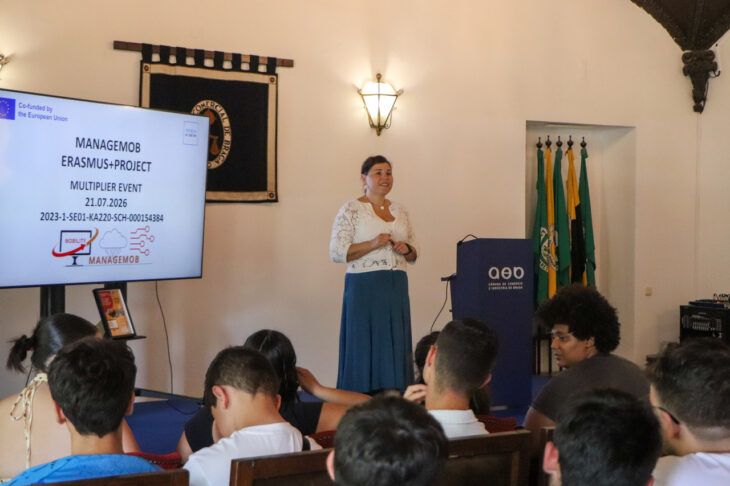
On Tuesday, 21 July, the Multiplier Event of the Erasmus+ KA2 ManageMob project, of which our Portuguese agency, Pessoa Academy,...

Erasmus+: a survey states that experiences abroad increase the acquisition of soft skills

June 29, 2022

June 29, 2022

In 2014, the European Commission published the Erasmus Impact Study, a study carried out by experts in which it states...

The 2024 Erasmus+ Call is out

November 29, 2023

November 29, 2023

The European Commission has published the 2024 call for proposals under Erasmus+, the EU Programme to support education, training, youth...

An insight Into ETN Business Lab, our training agency in Sofia

January 31, 2023

January 31, 2023

Every day ETN’s training agencies welcome hundreds of students from all over Europe; from their arrival to the accommodation in...

The Erasmus+ 2023 call has been published: read the deadlines

November 24, 2022

November 24, 2022

The European Commission yesterday published the Call for proposals for the #ErasmusPlus 2023 Programme. The total budget allocated is 4.2...

P4SS partners finally met in Malaga for the third Transnational meeting: what happened?

November 4, 2021

November 4, 2021

Our Project Manager, Nicolò Angelo, had announced it for the first year of “Playing 4 Soft Skills” and it finally happened:...

Empowering Women Over 40: Learning Week by STARwomen

December 16, 2024

December 16, 2024

During the first week of December, as part of the STARwomen – Simulation Training for Women Erasmus+ project, Tribeka Training Lab organized...

In Potenza the Italian Multiplier Event of the Erasmus+ KA2 VET “Vir2TEX” project

April 19, 2023

April 19, 2023

Meeting students and teachers is always a fantastic emotion that turns into a beautiful experience and many great memories that...

Erasmus+: good practices for developing the eight soft skills identified by the European Union

July 13, 2022

July 13, 2022

The European Union’s identification of the eight European key competencies – soft skills – (also called key citizenship competencies) is...

Comments
Leave a Reply

Your email address will not be published. Required fields are marked *

Newsletter